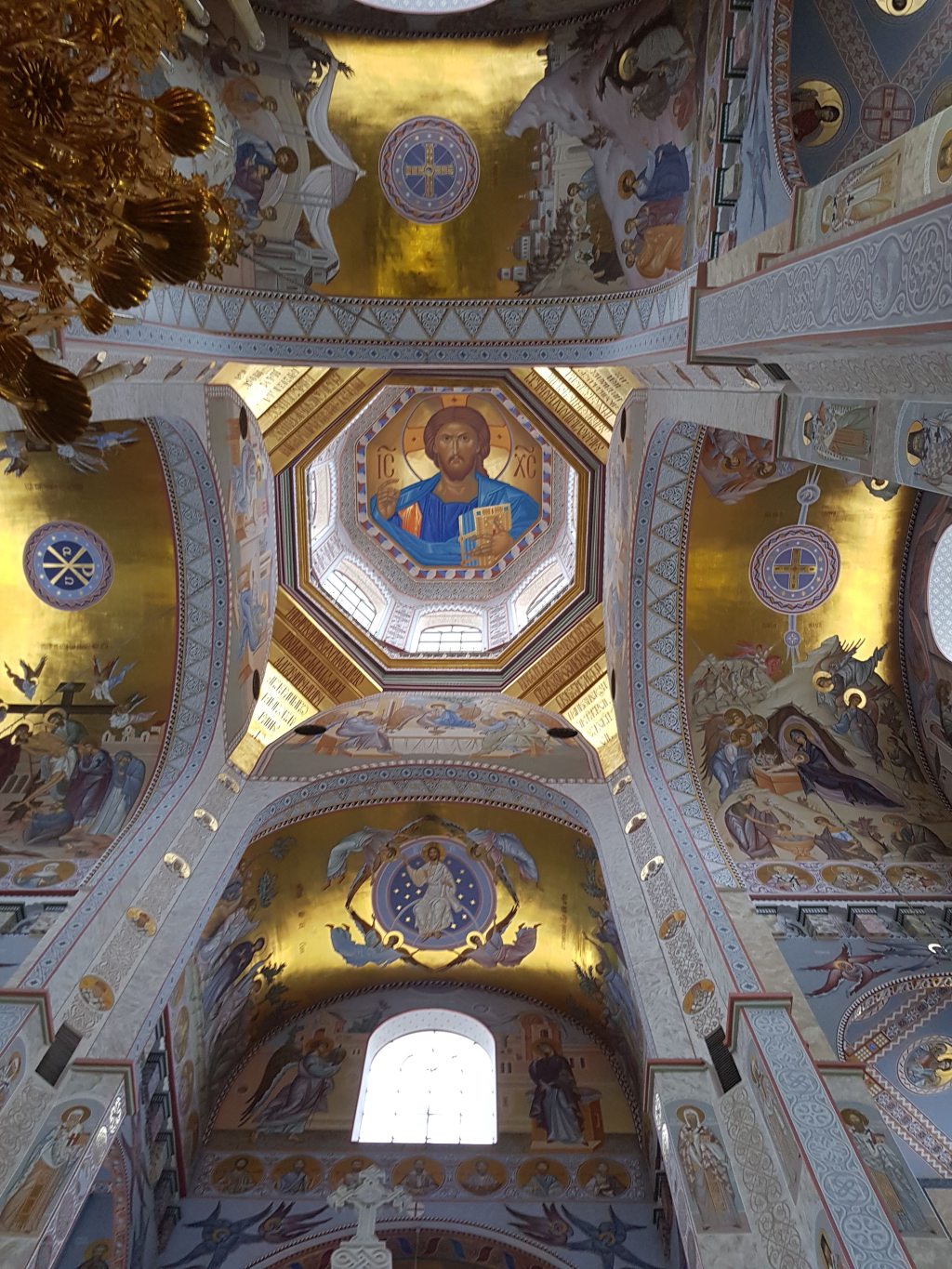
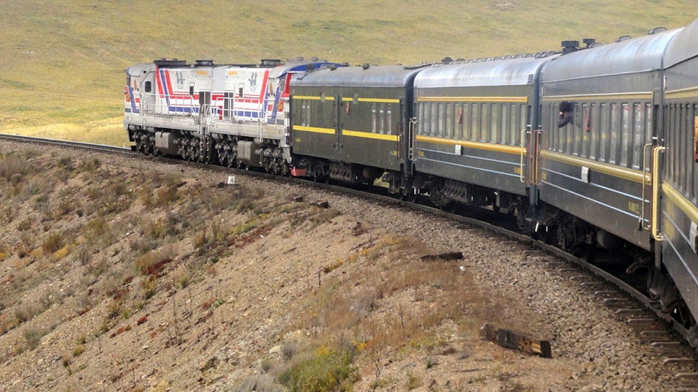
There is nothing more fascinating than crossing the freezing, snow-blanketed landscape of Siberia, while sitting in a warm and cozy train compartment heated by coal stove of the longest train journey in the world “Trans-Siberian Railway”
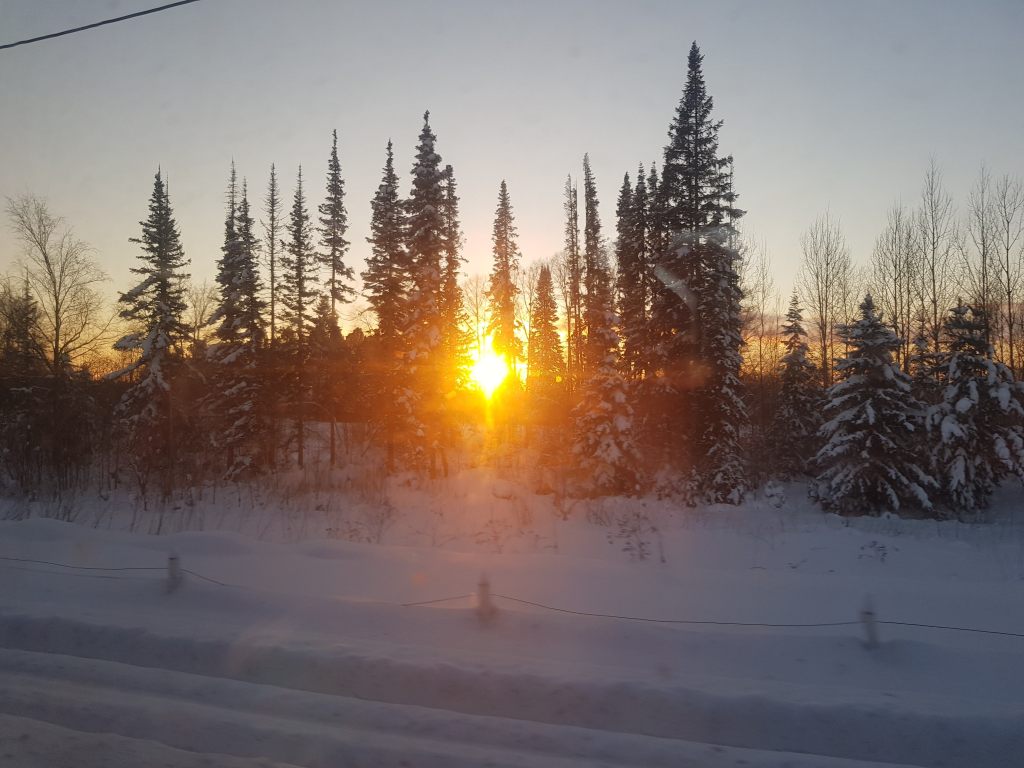
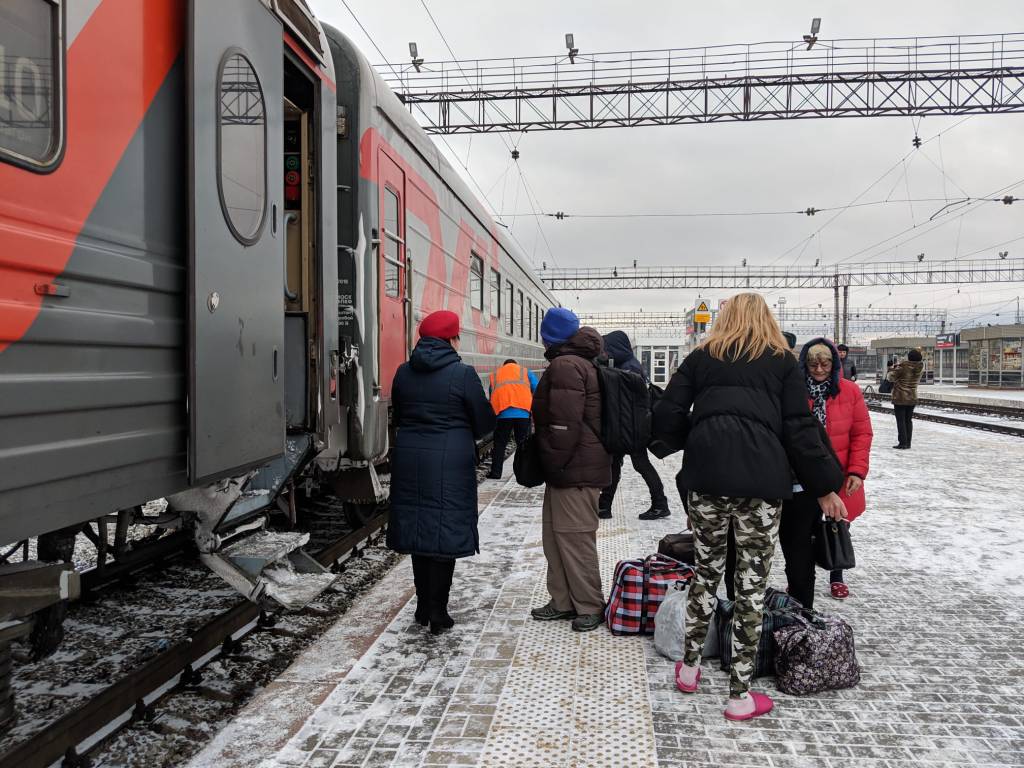
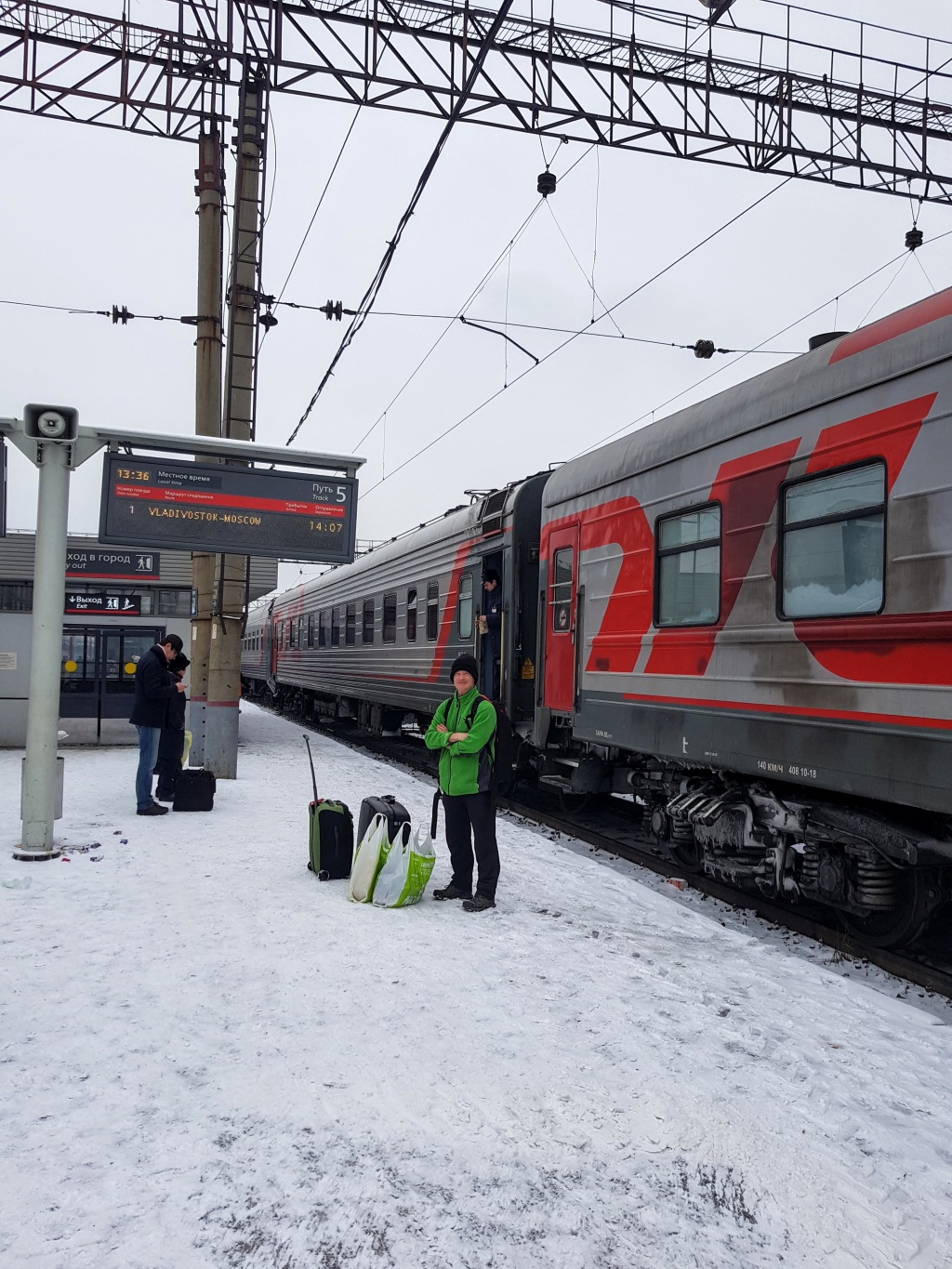
We boarded the train 001MA in Irkutsk, Siberia at 4.18pm and spent the next 48 hours looking out of one the most beautiful forest called “Taiga”. “Taiga” is the collective term used for the northern forests of Russia, especially in Siberia. I spent hours just looking out of the windows at the winter wonderland presented to us.
These forests are mainly in cold, subarctic regions, The word actually means “land of the little sticks” in Russian. The world’s largest taiga is in Russia, covering area of 5,800 kilometers, which means this is the landscape you will more than likely see from the windows of the Trans-Siberian train.
It was almost one of the most interesting train trips of our lives, as we had to spend the next three days with Russia military.
In Russia, you must carry your passport, visa and migration card at all times. The authorities being military, or police won’t accept copies. We were asked for all of these within a few hours of being in a carriage. In addition, I was asked for all our accommodation, and guide bookings. When you book your visa for Russia, you have to organize all hotels, guides and train tickets beforehand. You simply can’t change anything once in Russia.
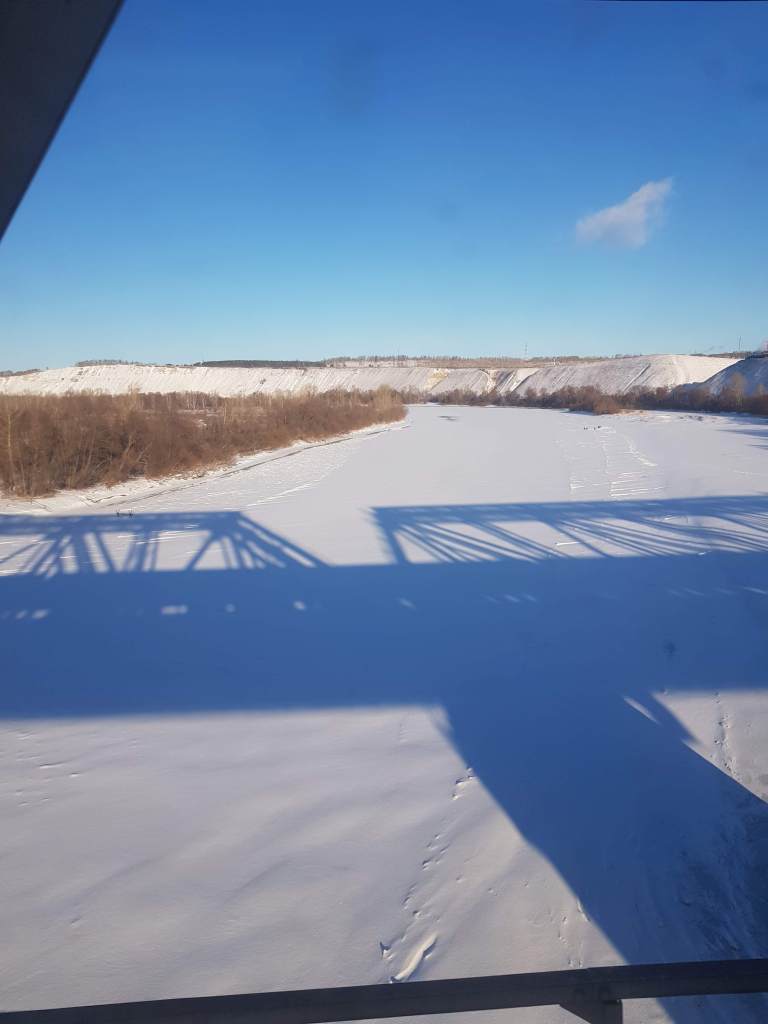
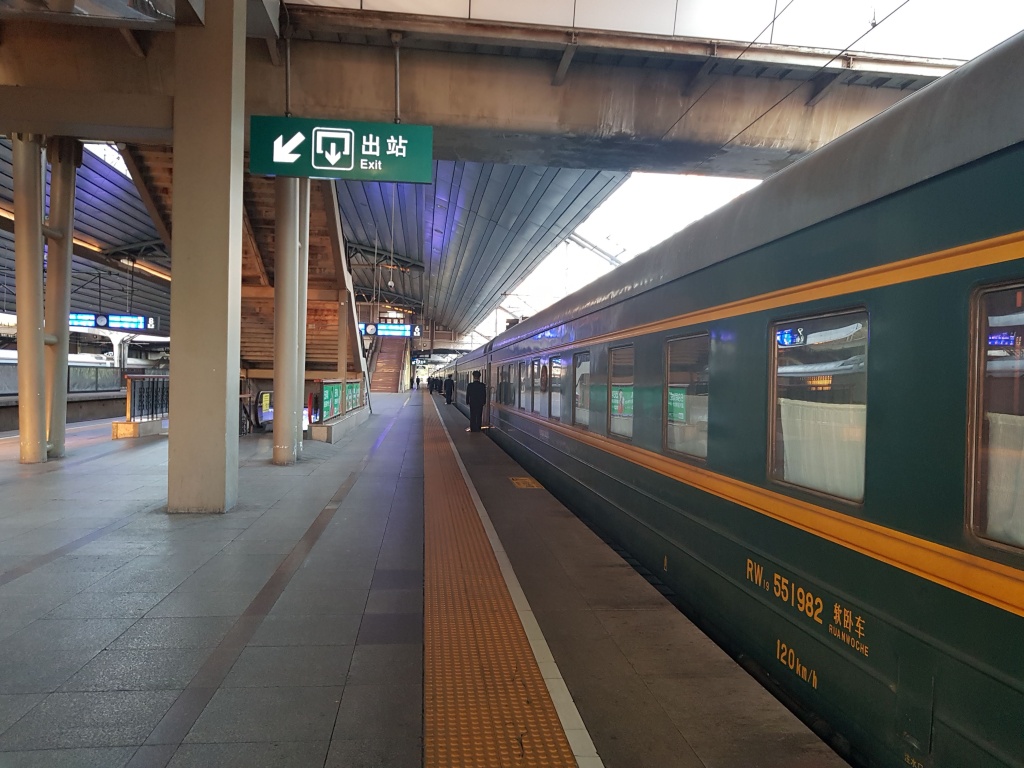
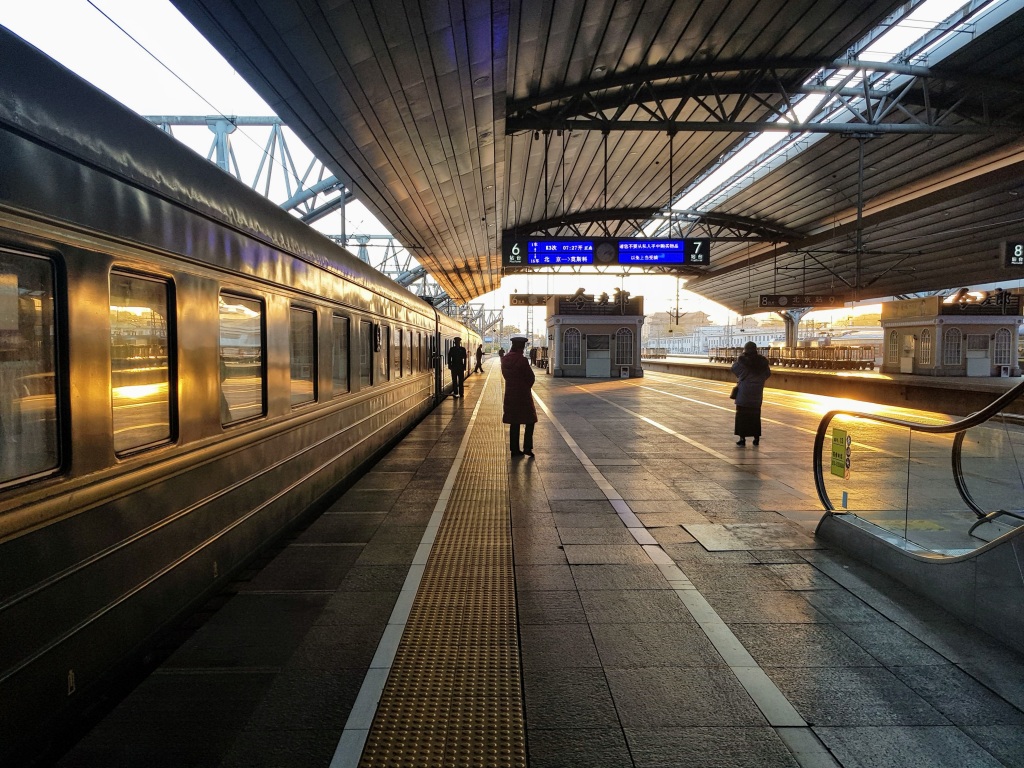
Please also don’t take photos of military places or sensitive areas, such as passport control or train stations. We took our photos, when noone was watching as per below.

Westerners have ended up in jail due to these minor incidents in the past. In other words, it felt like we had been put in that carriage on purpose. I knew due to my international family background, that they were interested in me, but not my husband. This was later confirmed once we got talking to a guide at the KGB museum in Estonia. We applied the golden rule of travel, never speak about religion and politics of the country concerned. Always compliment the country.
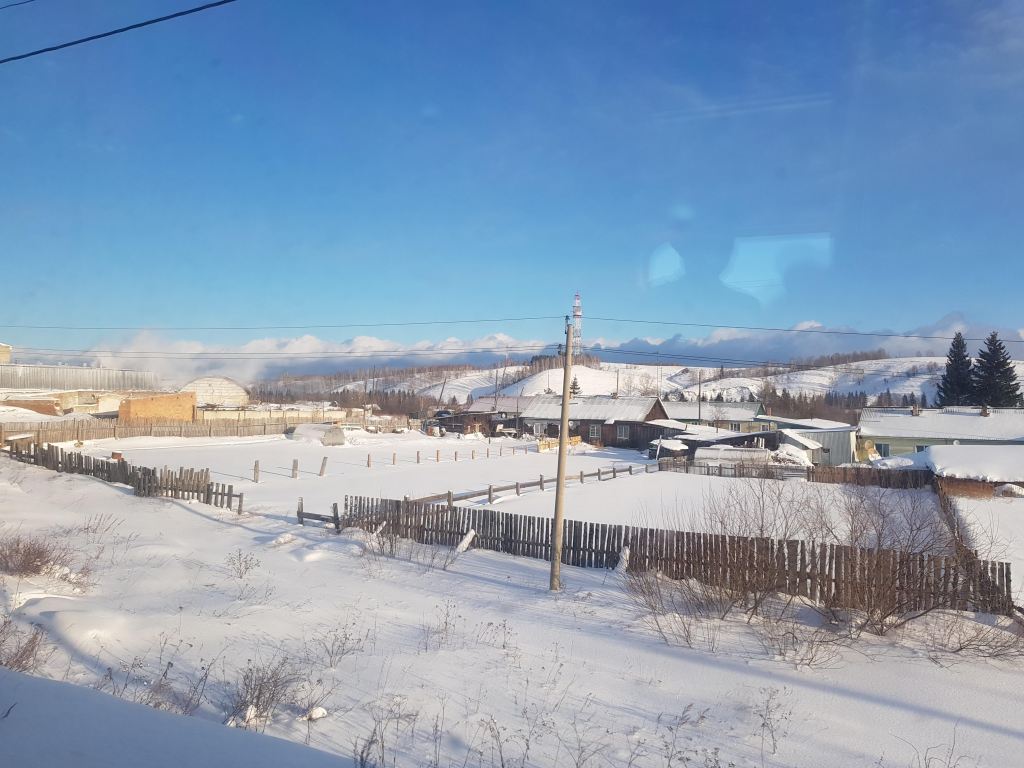
Yekaterinburg is mainly known for the Ural Mountains that are the natural border between Russia and Asia. But it offers many more things than that!
- Table of Contents:
- Our favourite things to do
- Romanov Death Site
- Sevastyanov’s House
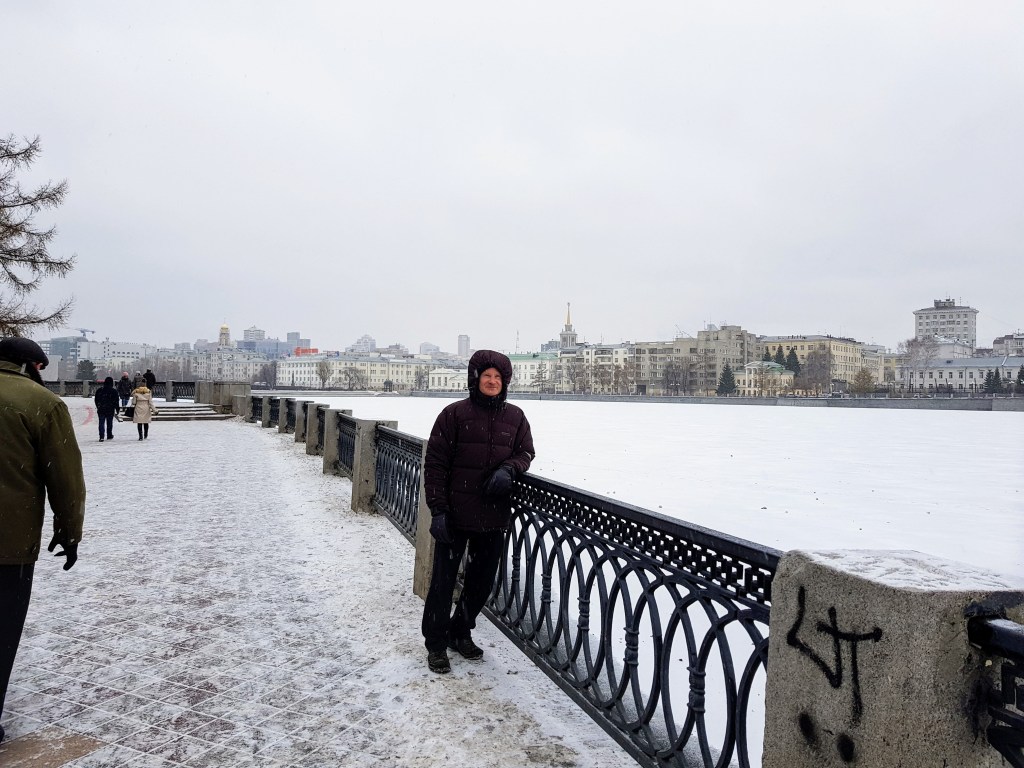
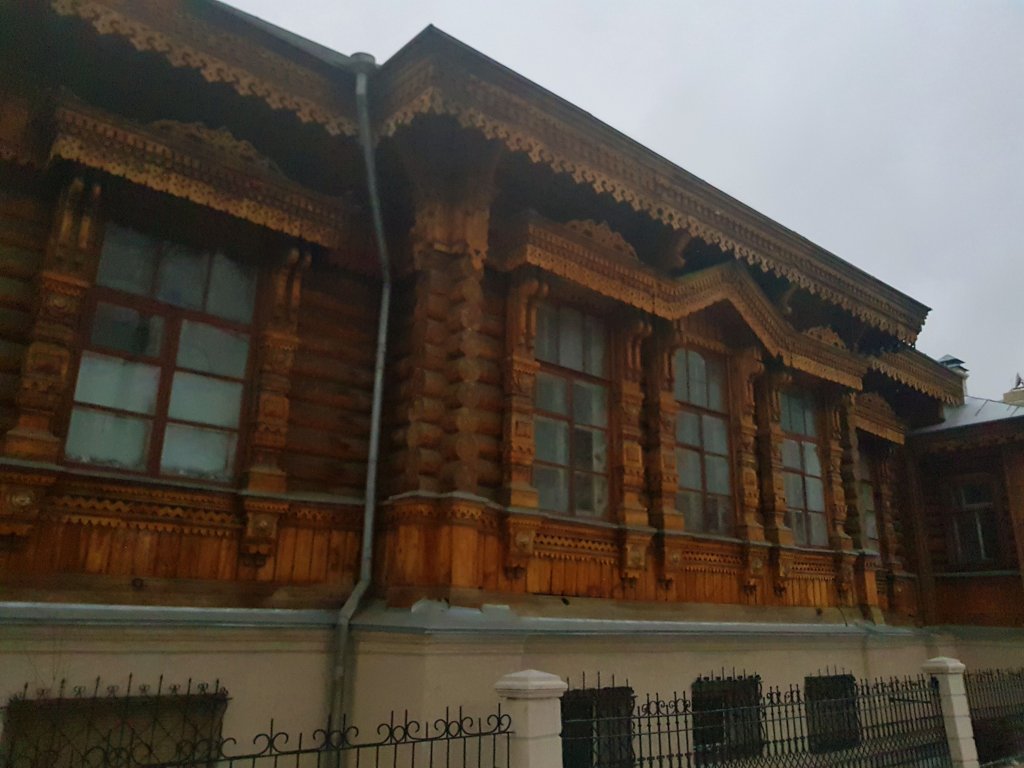
- House and Clinic of the Doctor Syano
- 1905 Square
- Vaynera Street, Yekaterinburg
- Yekaterinburg State Academical Opera and Ballet Theatre
Our favourites in Yekaterinburg

Our favourites in Yekaterinburg
Romanov Death Site
We got off the Trans-Siberian train for one reason only in Yekaterinburg to see the massive Byzantine-style “Church upon the Blood”.
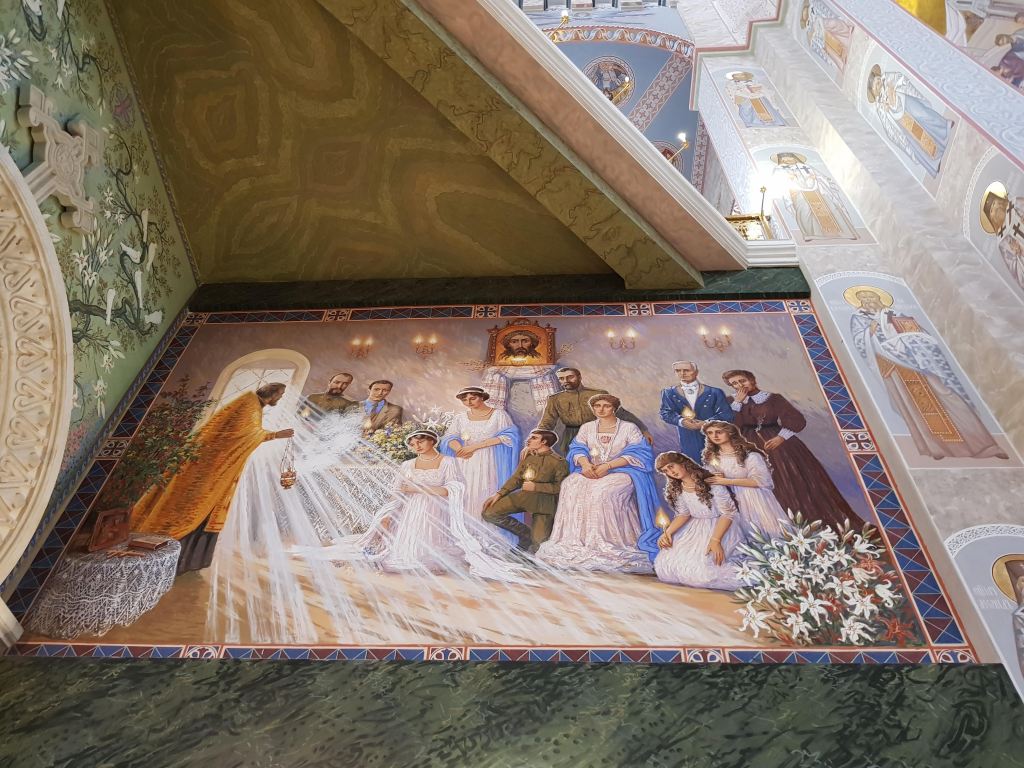
When you enter the Church, you are kind of dumb founded that this is the place where the Russian Imperial family spend their final moments on earth. The Church is sublime.
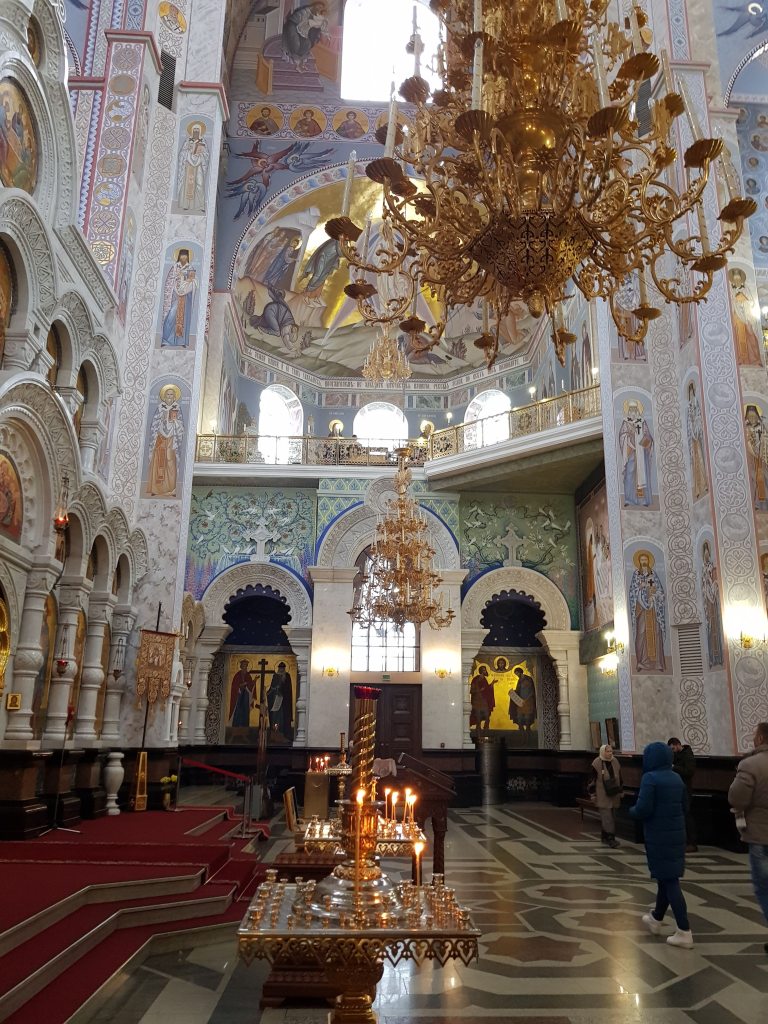
The last Tzar of Russia, Nicholas II and his wife Alexandra Feodorovna, Princess Alix of Hesse and by Rhine, abdicated on March 15, 1917. In April 1918, the Bolshevik government moved him and the Imperial family from St Petersburg to Yekaterinburg. He and his family with Court physician Eugene Botkin, lady-in-waiting Anna Demidova, head cook Ivan Kharitonov and footman Alexei Trupp who had chosen to stay with the family were held prisoners in Yekaterinburg by the Bolsheviks. They were executed all on the night of July 17, 1918, by a firing squad, as anti-Bolshevik forces approached the city in the Ipatiev House.
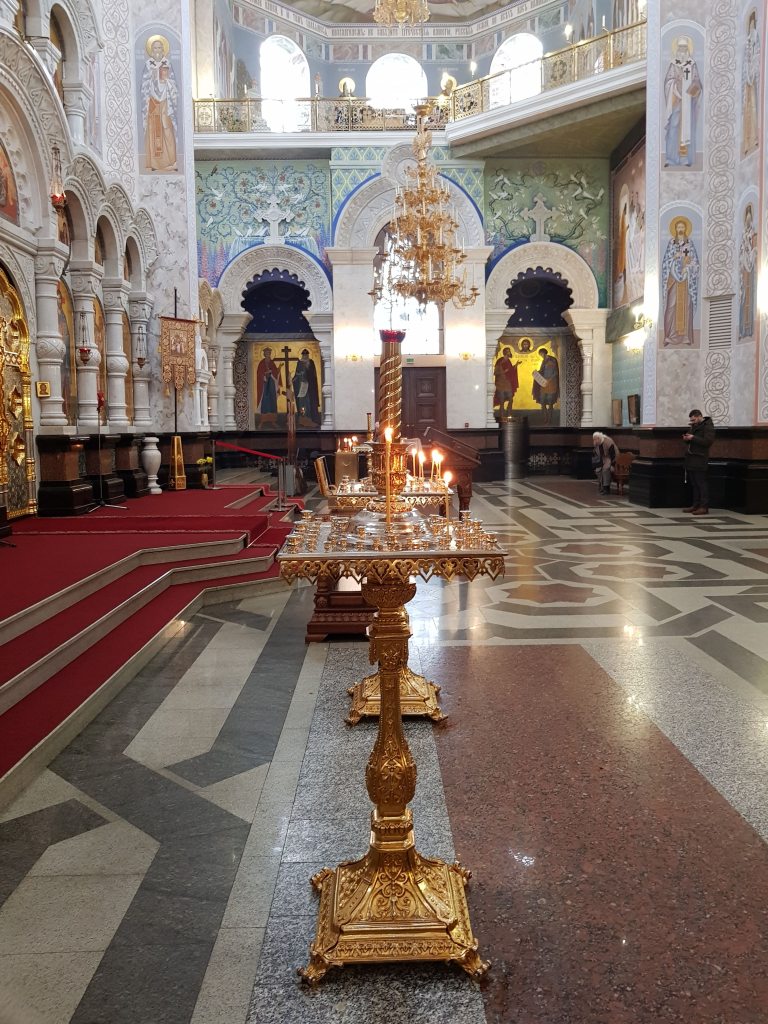
It is a very sad story of Russian history, but also of British history as book “The Race to Save the Romanovs” ends by asserting that even had asylum come, the “Imperial Family almost certainly would have refused to leave Russia under any circumstances, preferring to die together in the country they loved.”
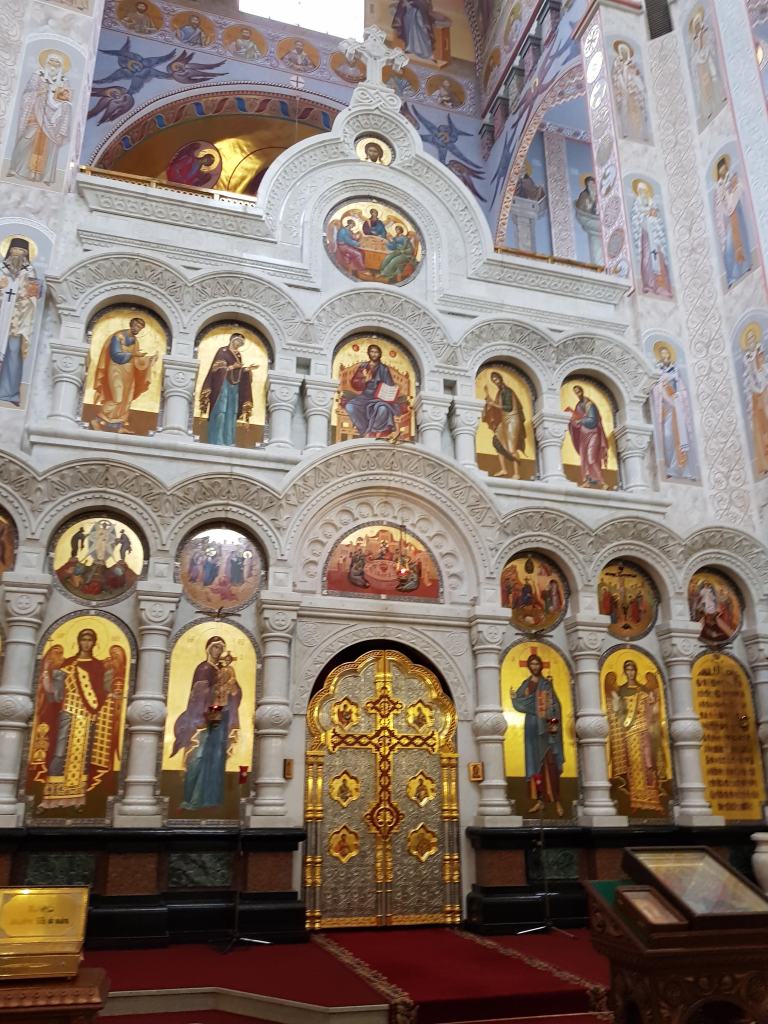
In fact, within days of his abdication, Nicholas and Alexandra were packing their belongings in anticipation of an English exile that would never come, thanks to their mutual British cousin, King George V.
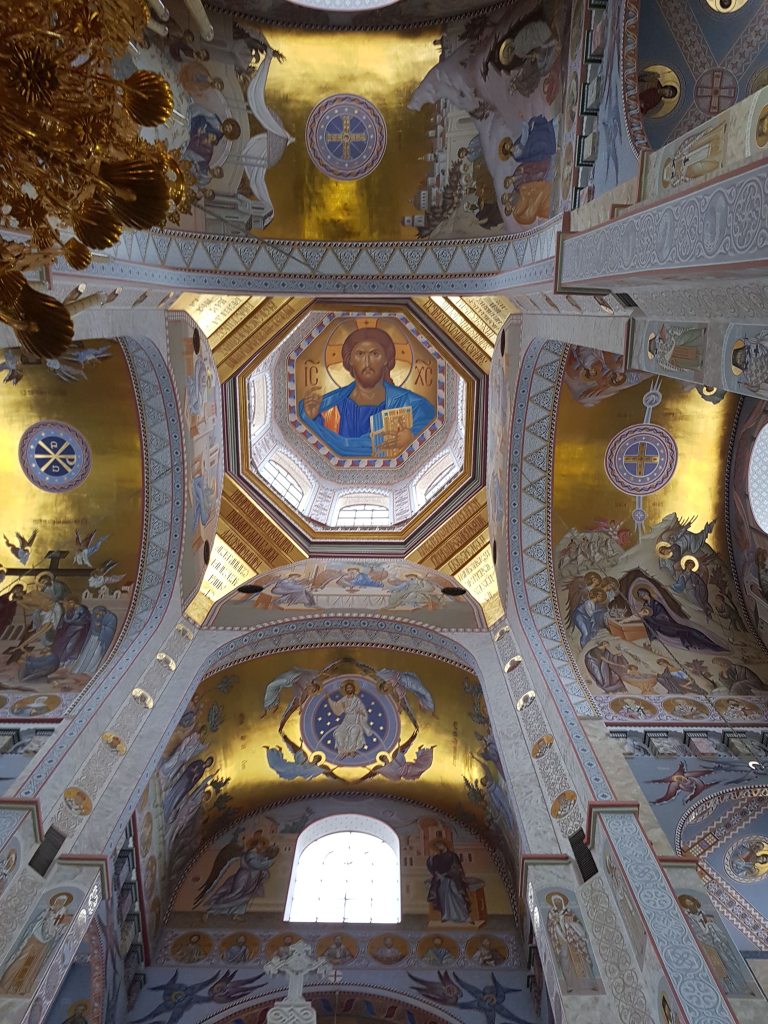
The Ipatiev house stood until 1977 and was demolished under instructions of the local governor Boris Yeltsin as it was of “no historic value” to the state.
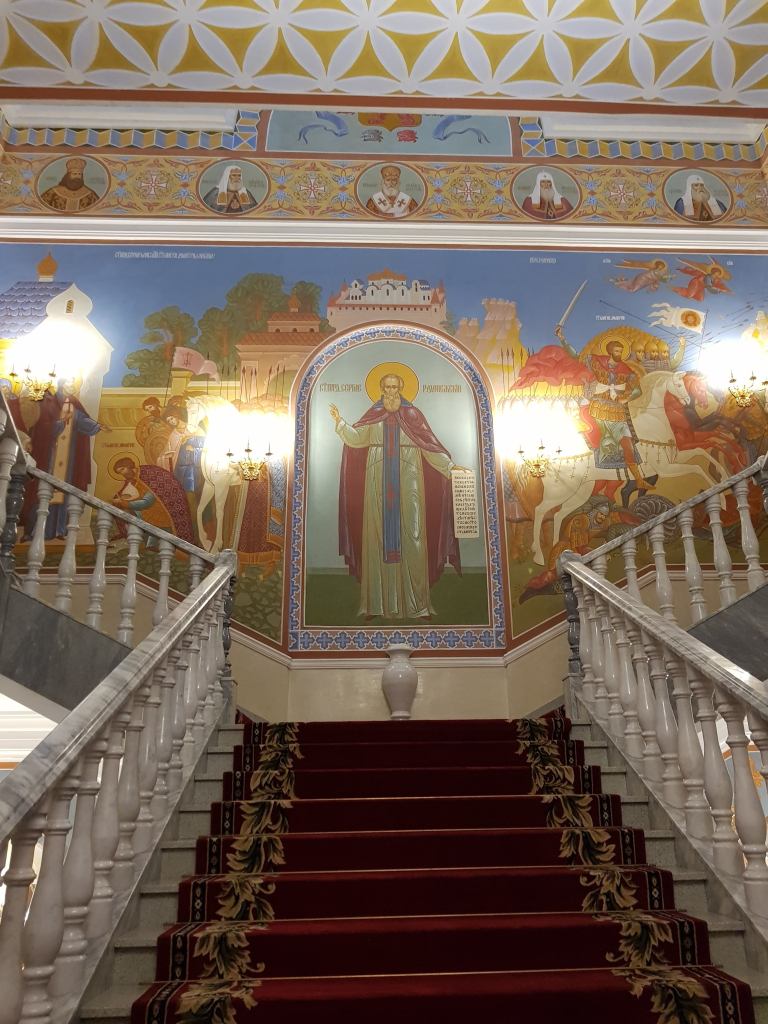
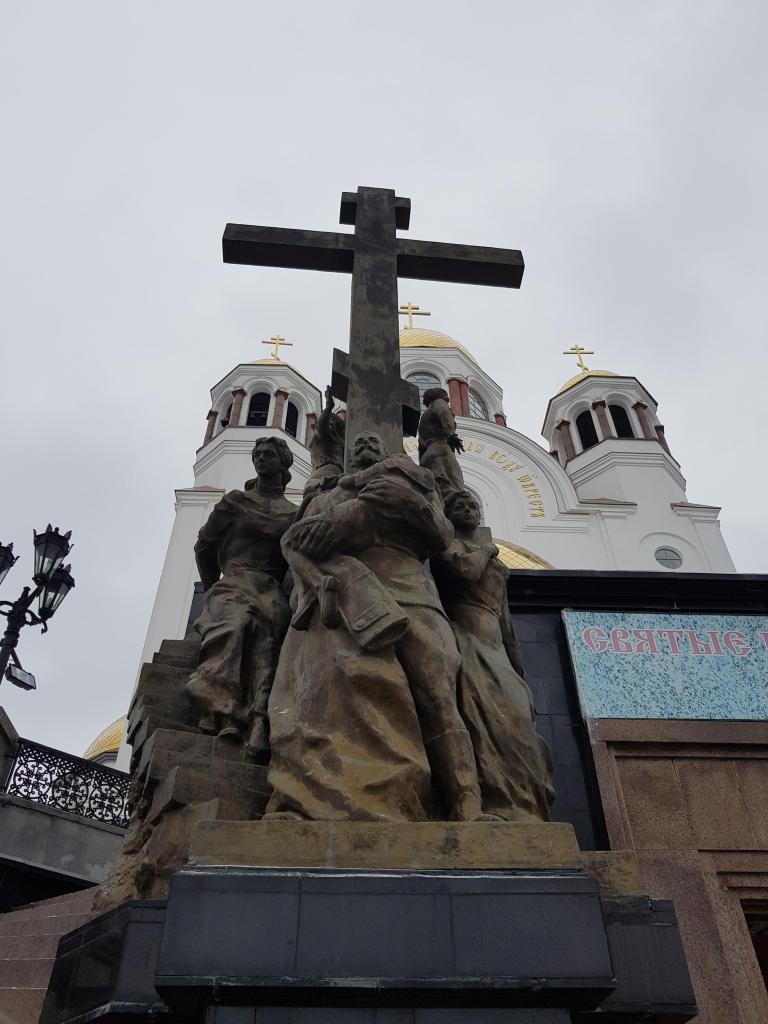
The Church of Blood was built in 2003, and family are now saints. There is on the west side of the church, there is a well done monument with a sculpture of the whole Romanov family descending unknowingly to the Ipatiev basement for their murder.
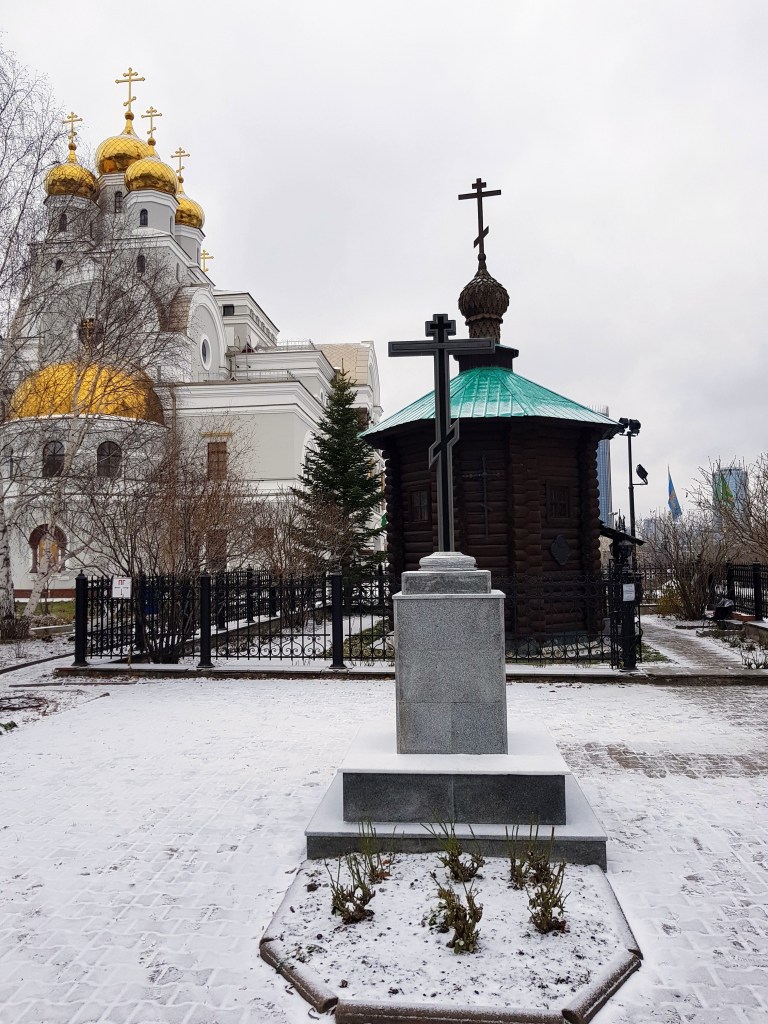
Outside is a small wooden chapel nearby is in remembrance of the nun Princess Yelizaveta Feodorovna of the extended Romanov clan, who one day after the shooting of the tzar and his family was thrown down alive into a mineshaft and has recently also been declared a saint.
There is also a museum dedicated to the Romanovs family, the Imperial family. Unfortunately, most of the documents did not have English translations next to them, but nevertheless interesting to visit.
Sevastyanov’s House
Attractive old building in the centre of the city. It’s a great example of Russian architecture. The house sits on the corner of Lenin Ave, one of the main streets in Yekaterinburg and the Iset Rivier.
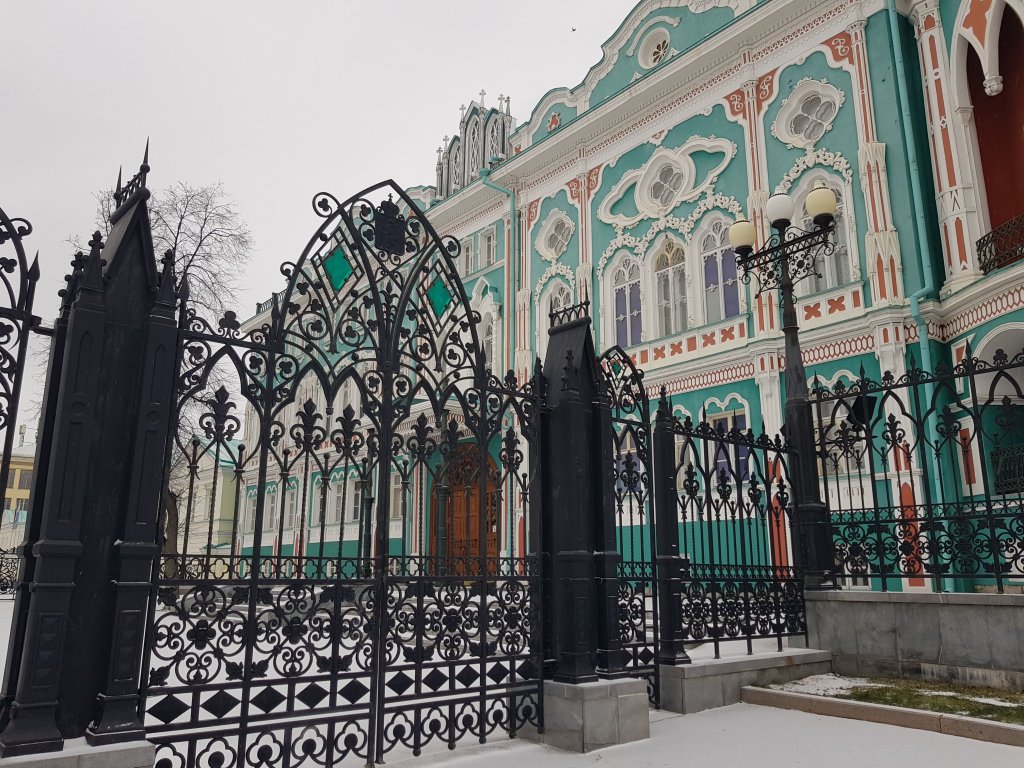
We later found out the history of this magnificent building. It was built as early as 1817.
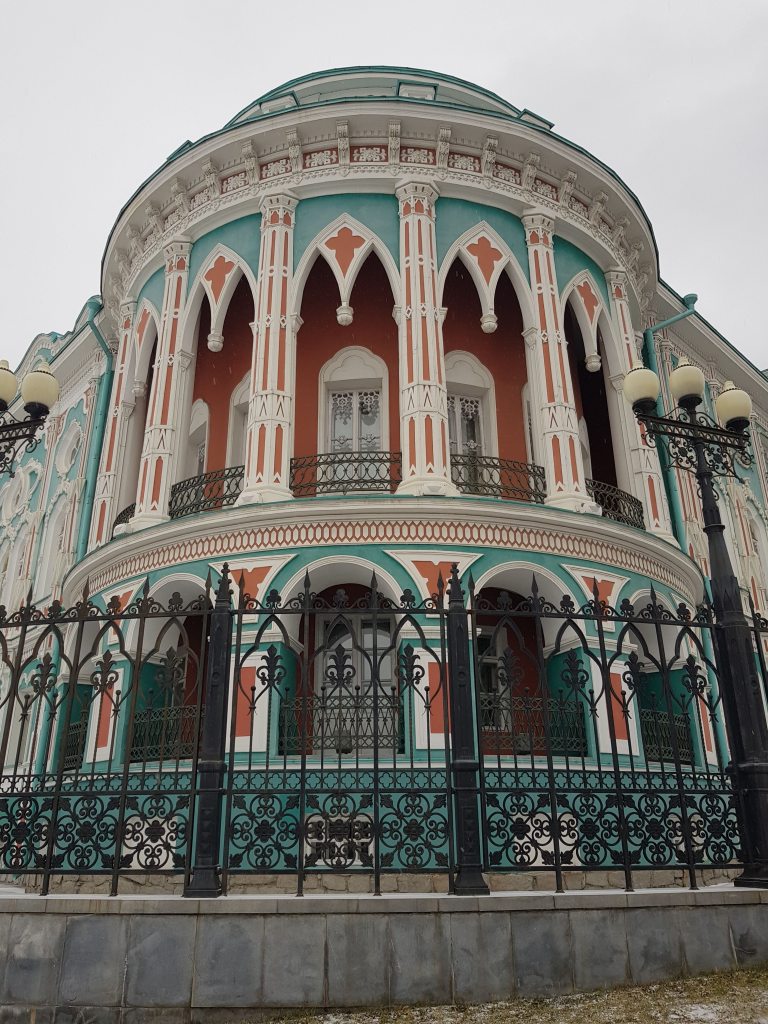
After extensive renovation in the 1860’s, the owner didn’t live there but decided to rent it to wealthy persons. He moved to St Petersburg and sold the house to the district court.
In Soviet times, it was known as the “House of Labour” or “House of Unions”, as it housed the trade unions and was directly opposite Labour (St. Catherine’s) Square. After 1991, it was used as an office building. In 2008, it was again restored, and became the Urals summer residence for Dimitry Medvedev, the President of Russia.
House and Clinic of the Doctor Syano
1905 Square
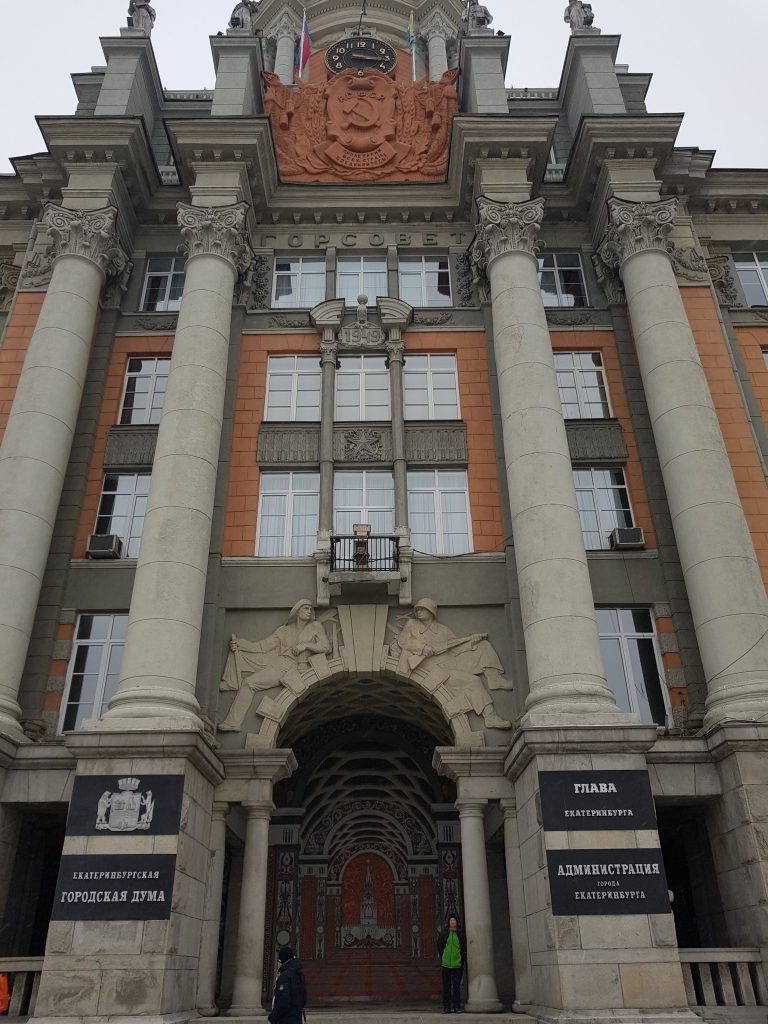
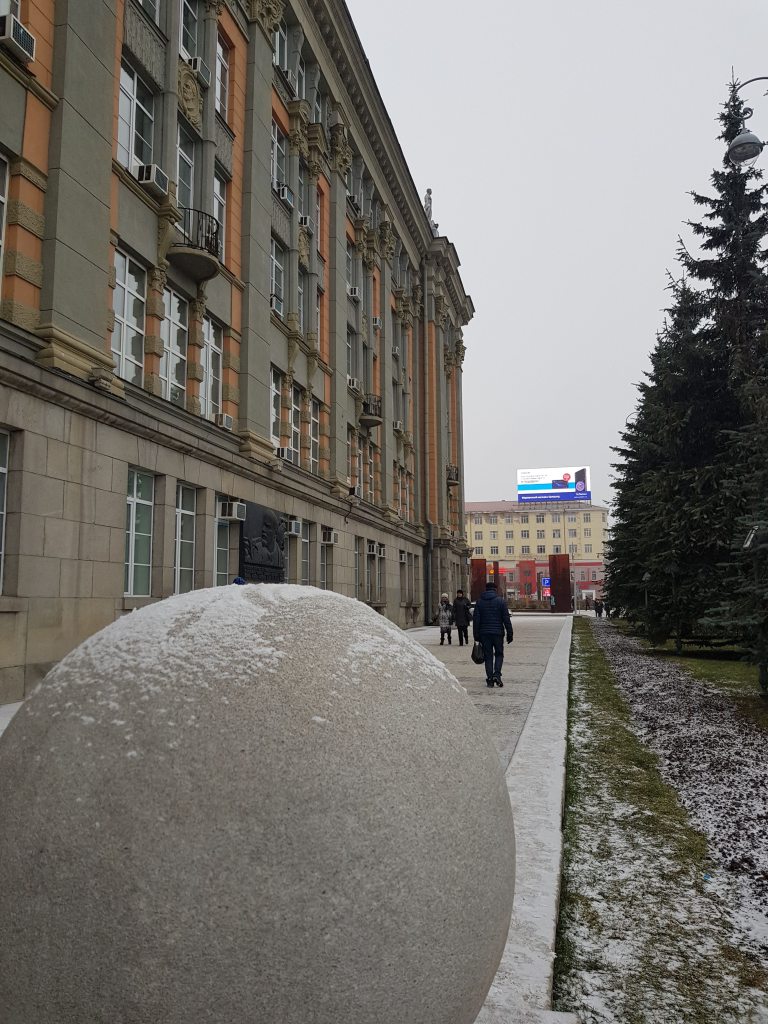
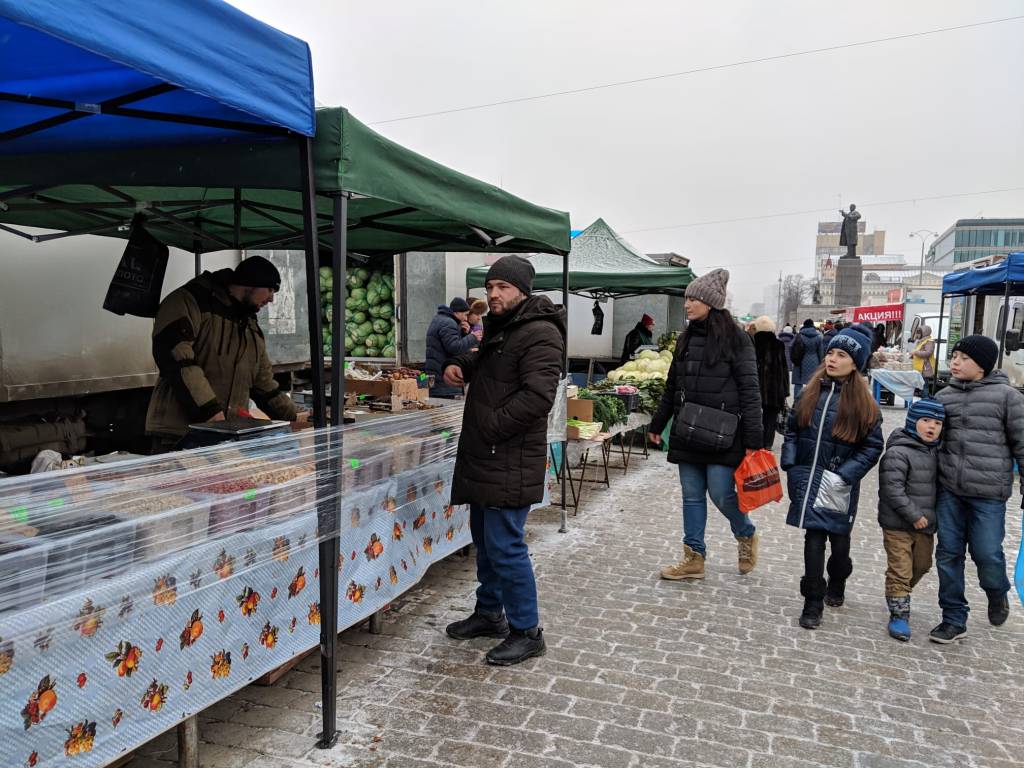
This square has played a bit part in Russian history. It was on 26 October 1917, the Bolsheviks declared victory of the October Revolution from this square. A few days later, the Bolsheviks changed the name of the Cathedral Square to 1905 Square, renaming the square after the 1905 Russian Revolution.
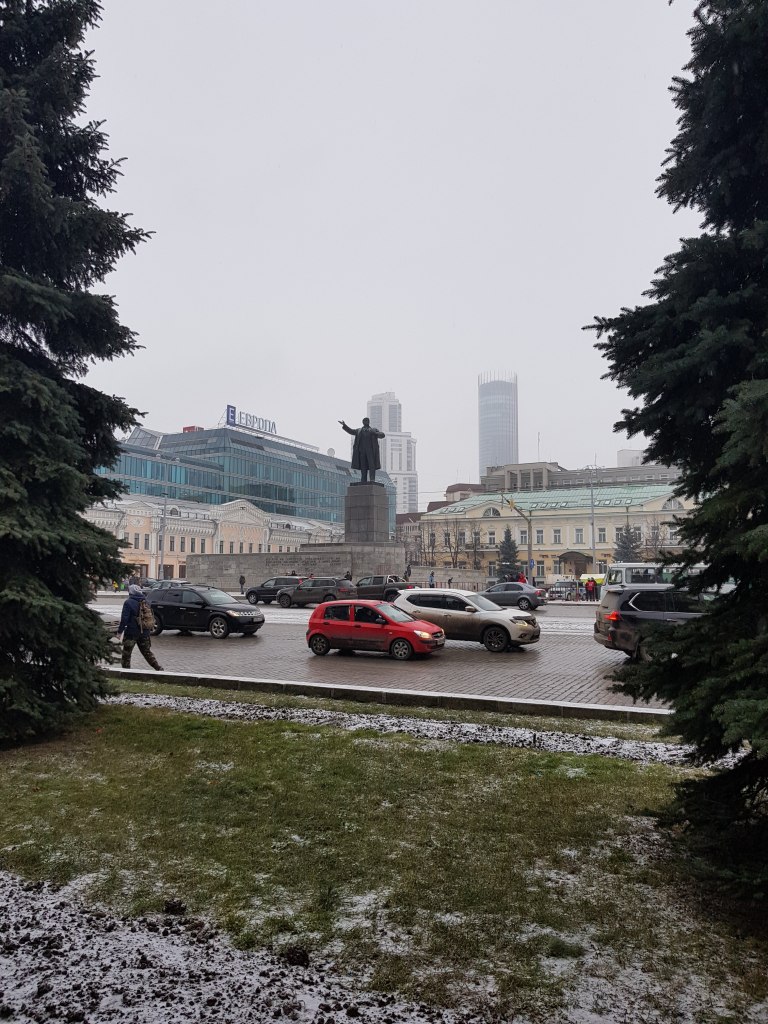
The day we were in town, there was a market.
Vaynera Street, Yekaterinburg
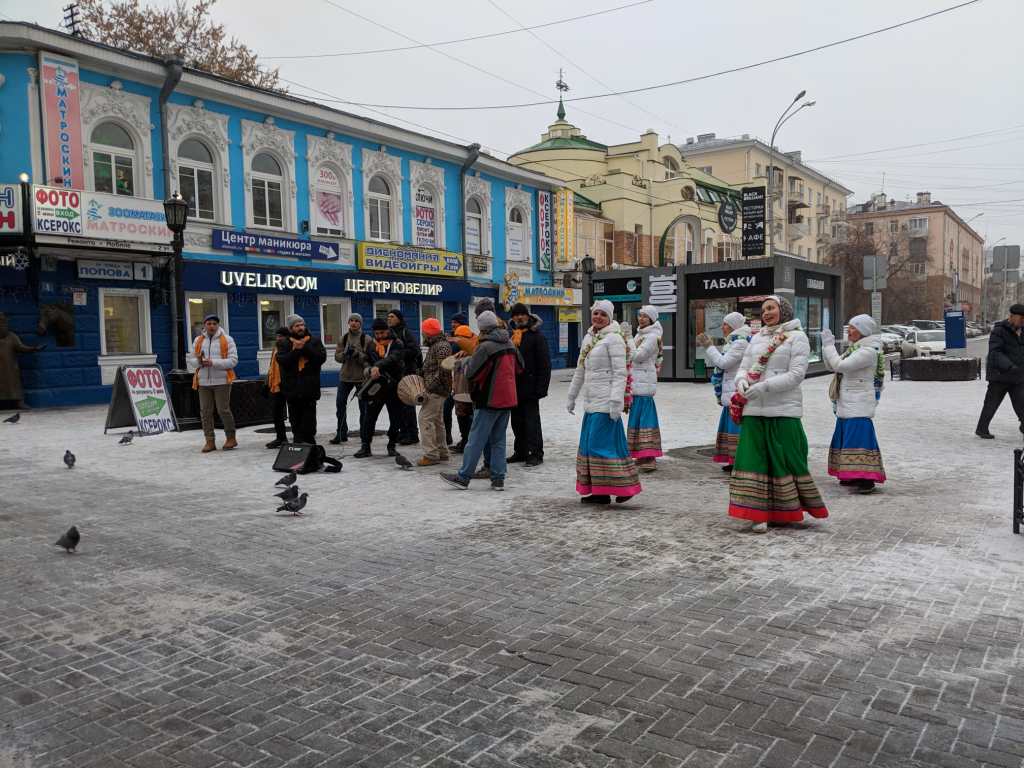
Vaynera is sometimes called ‘Ural Arbat’ in reference to the famous pedestrianised ‘Arbat Street’ in Moscow, but it is definitely far less touristy, still mainly a shopping street for locals.
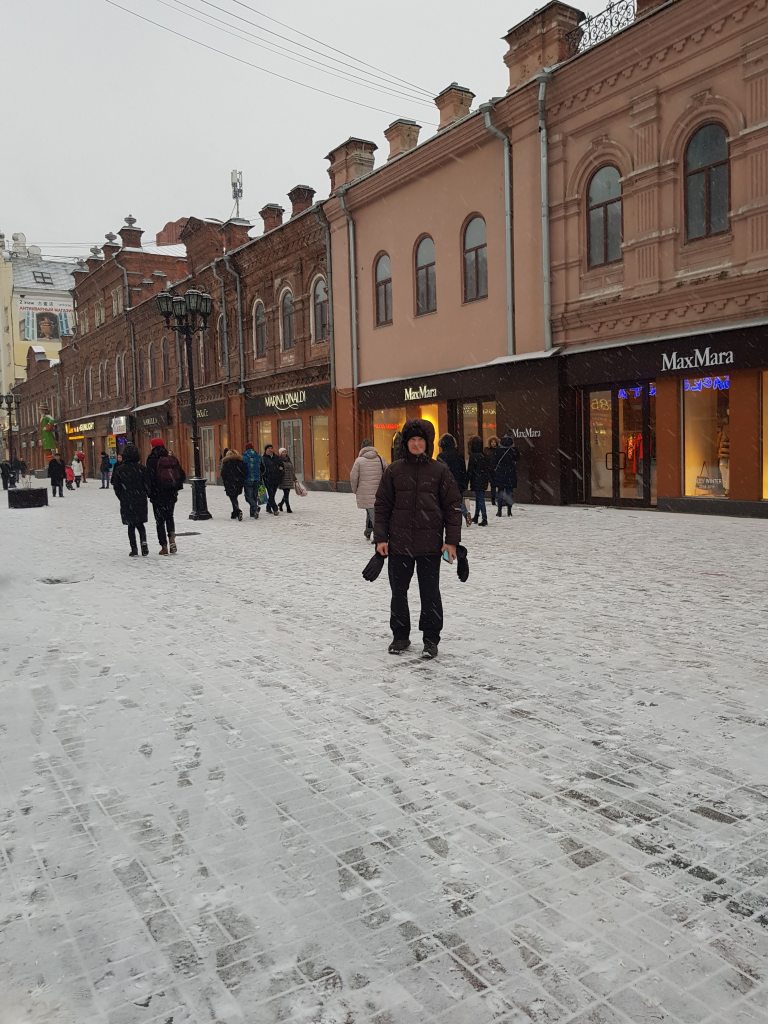
Even nice on a winter’s day while snowing. Stop somewhere for cake and coffee as we did on that winter day.
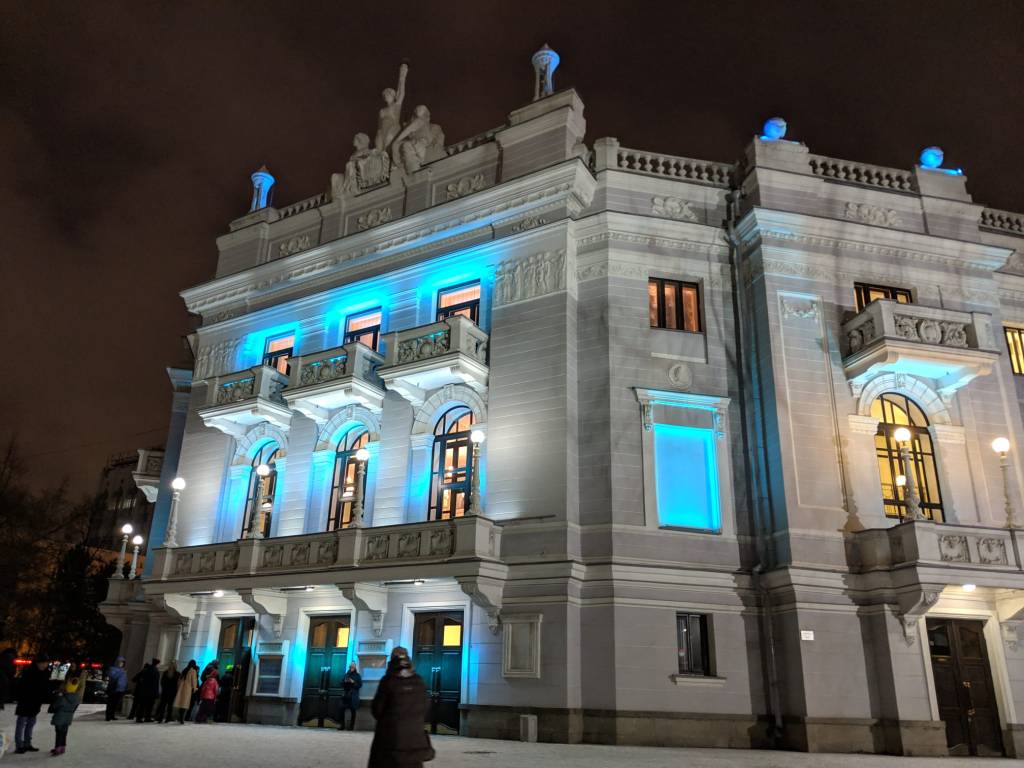
Yekaterinburg State Academical Opera and Ballet Theatre
A glamorous baroque-style theatre, built in 1912, showcasing modern & traditional ballet & opera.
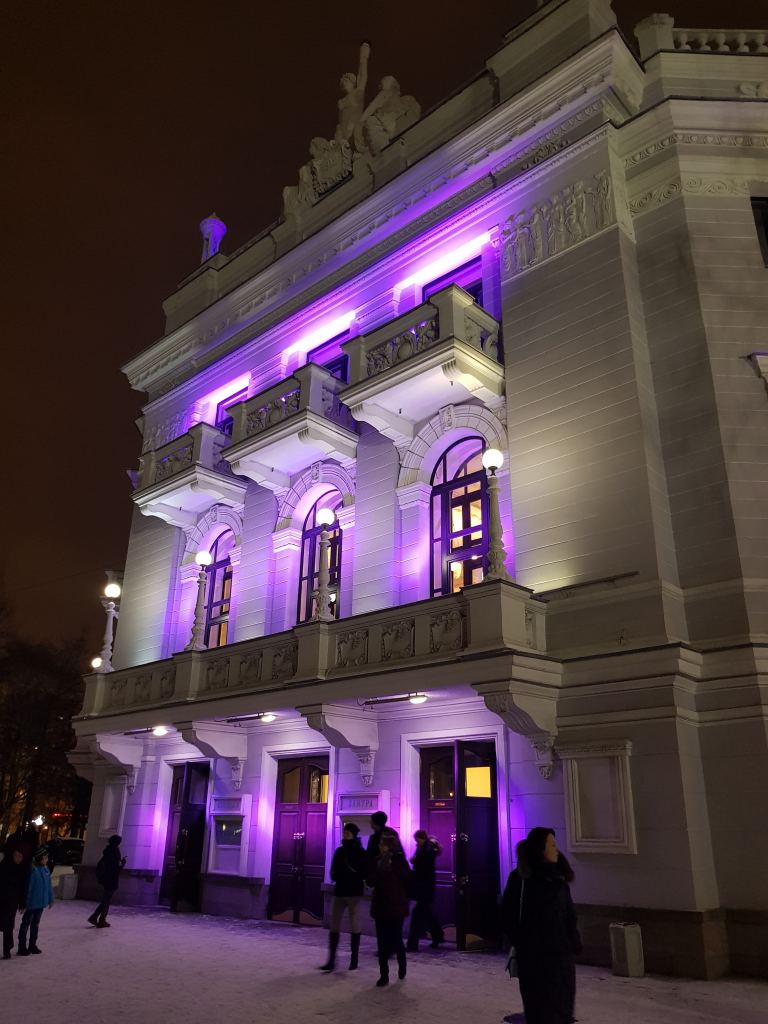
We stayed at the Novotel in Yekaterinburg, they made the arrangements for us to go to the Russian ballet that night we were in town, but when we got to the venue the tickets were not ready.
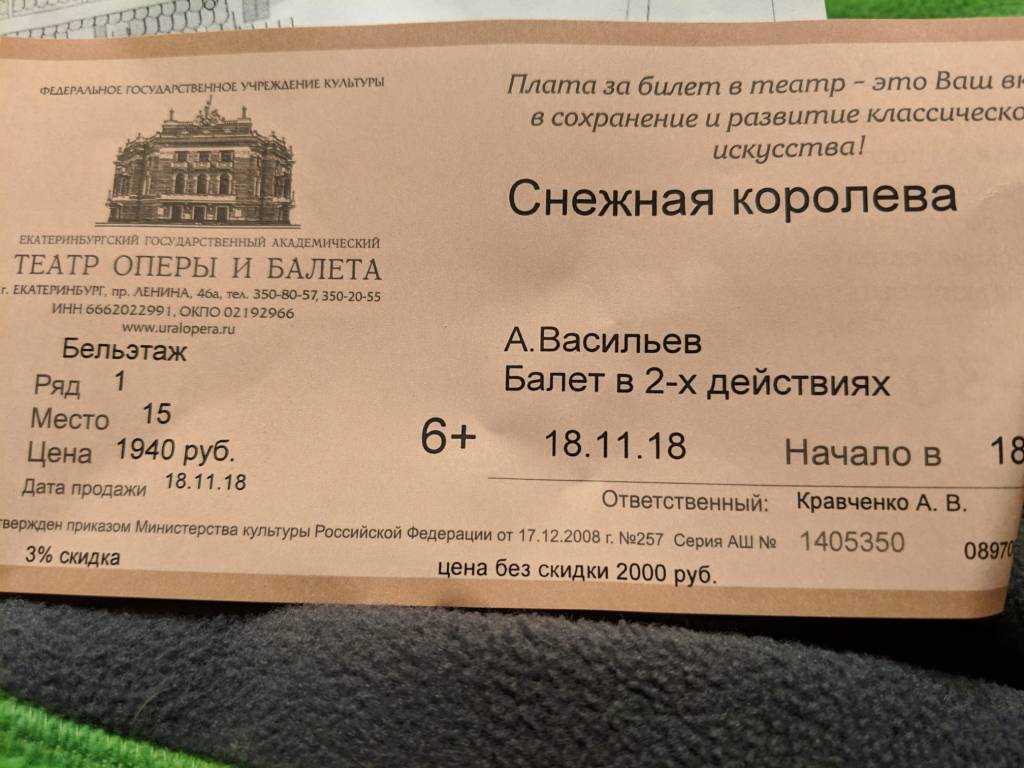
We met an Russian man, whom had immigrated to Australia help us get the tickets. An unforgettable experience of ballet in Russia.
Cost: RUB 3,880 or NZD$90 for 2 persons

Places to eat:
We found a café open after the ballet had finished on Ulitsa Karla Libknekhta, 13, Yekaterinburg, Sverdlovsk Oblast, Russia, 620075. The food was rather tastie. Russia has usually traditional cafés, where you can get good local food. Food is a big part of the travel experience.
Engels Coffee in the main pedestrian mall at Malysheva St., 21/4, Yekaterinburg 620090 Russia was recommended to us by the staff in the Novotel. It did not disappoint. It is not the number one ranking café in Yekaterinburg for nothing.
Where we stayed:
Novotel, Ulitsa Engel’sa, 7, Yekaterinburg, Sverdlovsk Oblast, Russia, 620000.
We stayed at Accor hotels as much as possible during our 18-month trip thru Asia, Russia and Europe mainly for security reasons. Most staff will speak English and if you need any local services they can organise it for you.

Overall, the 48 hours train journey from Irkutsk to Yekaterinburg was off to an interesting start to say the least. Initially in the planning stages we were not going to stop in Yekaterinburg, but after discussions with English overlanding friends we decided to include it in the trip as it is a big part of the Trans-Siberian railway history. The tzar that laid the stone, also meet his end in one of its stopovers. It is a town that has been interesting but weird feeling to it, at the same time I remember it due to the Russian ballet we attended that snowy night in Yekaterinburg. It was one of the highlights to us both.


 Traveller's Nest Overland
Leave a comment