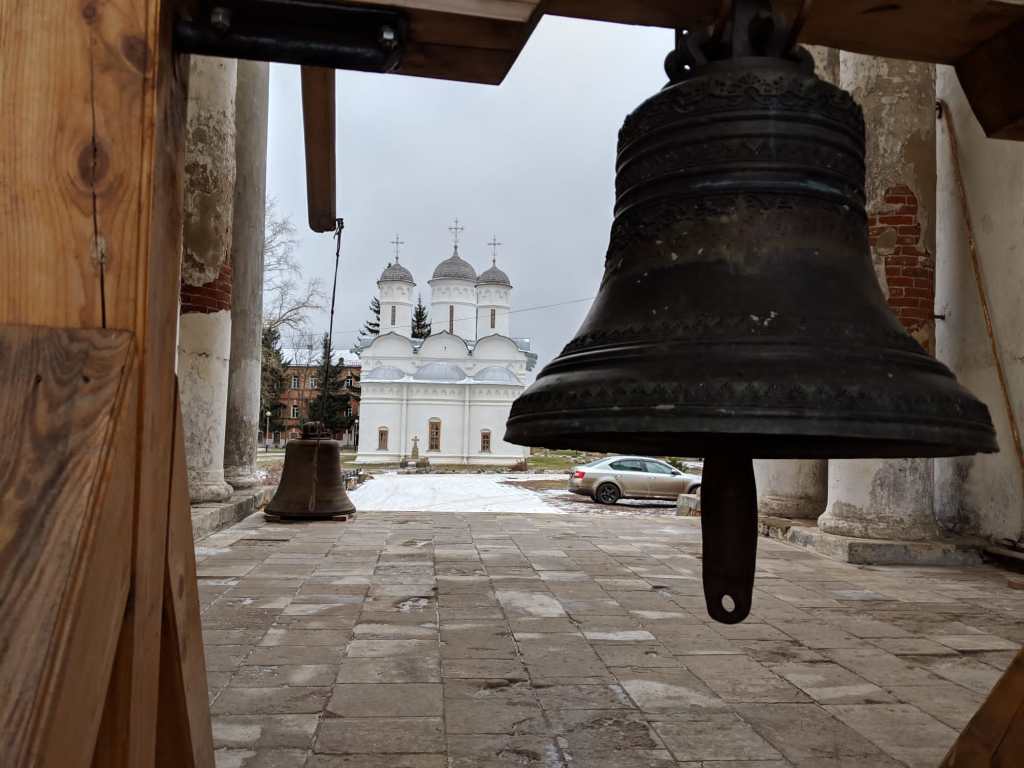
Most countries in the world have a “golden circle”, Russian Federation is no different. Suzdal is Russia’s first capital. It was founded between 999 and 1040 according to the historians’.
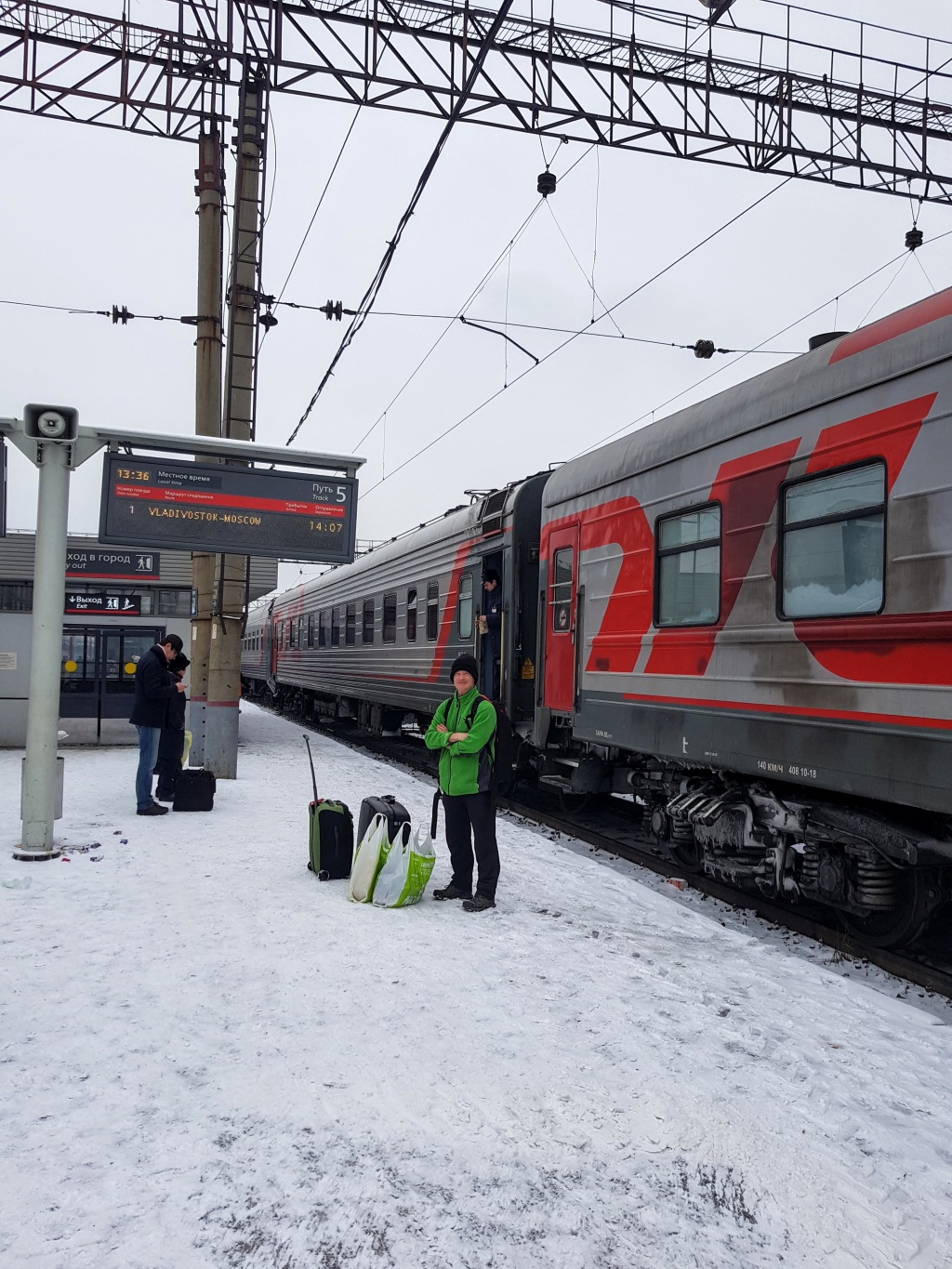
We had departed Yekaterinburg on the Monday afternoon train, 001 MA at 14.07 hrs, it would take us another 22 hours of train travel and we were getting closer again to Moscow, and St Petersburg, our final destination in Russia. We had now been 34 days since departure in Hong Kong .
The scenery and landscape had changed after we had crossed the Ural Mountains near Yekaterinburg, Russia. Yekaterinburg marks the beginning of the European Russia. The beautiful Yekaterinburg lies at the crossroads between Europe and Asia, east of the slopes of the Ural Mountains in central Russia. The continental divide is 30 kilometers west of the city. The rolling landscapes of Siberia with the endless trees and snow were disappearing.
We arrived into Vladmir the following morning just after 10.00 hrs and happy to be able to get off the train and go for a walk around Vladmir.
We stayed in Vladmir as it is on the Trans Siberian railway line and after this stop you can get the Metro trains into Moscow.
The Golden Ring of Russia consists of eight towns and villages : Vladmir, Suzdal, Ivanovo, Kostroma, Yaroslavl, Rostov, Perseslavl and Sergiev Posad.
These villages are to the northeast of the capital in what was the north-eastern part of ancient Russia. The idea for the Golden Ring was created by a local historian Bychkov, to provide an All-Russian Society for the Protection of Monuments of History and Culture.
These ancient towns were heavily formative to the centrality of the Russian Orthodox Church in society. They preserve the memory of key events in medieval and Imperial Russian history.
The towns have been called “open-air museums” and feature unique monuments of Russian architecture of the 12th–18th centuries, including kremlins, monasteries, cathedrals, and churches. These towns are among the most picturesque in Russia.

Suzdal is therefore one of the oldest towns in the Russian Federation, but more importantly it is a UNESCO world heritage site. Hence why we visited. I just love the history of UNESCO world heritage sites around the world. There is something so very special about them.
What makes the UNESCO world heritage sites so special and unique is, that these cultural and/or natural sites considered to be of ‘Outstanding Universal Value’ and therefore inscribed on the World Heritage List by the World Heritage Committee. These places or buildings are thought to: have special importance for everyone.
It is the “White Monuments of Vladimir and Suzdal” , that are recognized by UNESCO as being so unique:
- The white-stone architecture of Vladimir and Suzdal is an outstanding example of the development and perfection of architectural shapes and white-stone building techniques which formed a unique school of architecture.
- The white-stone monuments are outstanding examples of architectural art and perfect models of technical and construction skill, fully harmonized with the surrounding landscape. They exemplify the beginnings and the peak of the white-stone building style of the 12th-13th centuries, and are remarkable for a prominent harmony and perfection of architectural shapes.
When we travel, we have the UNESO World Heritage app downloaded on to our phones, so we can get all the information needed on hand at the time.
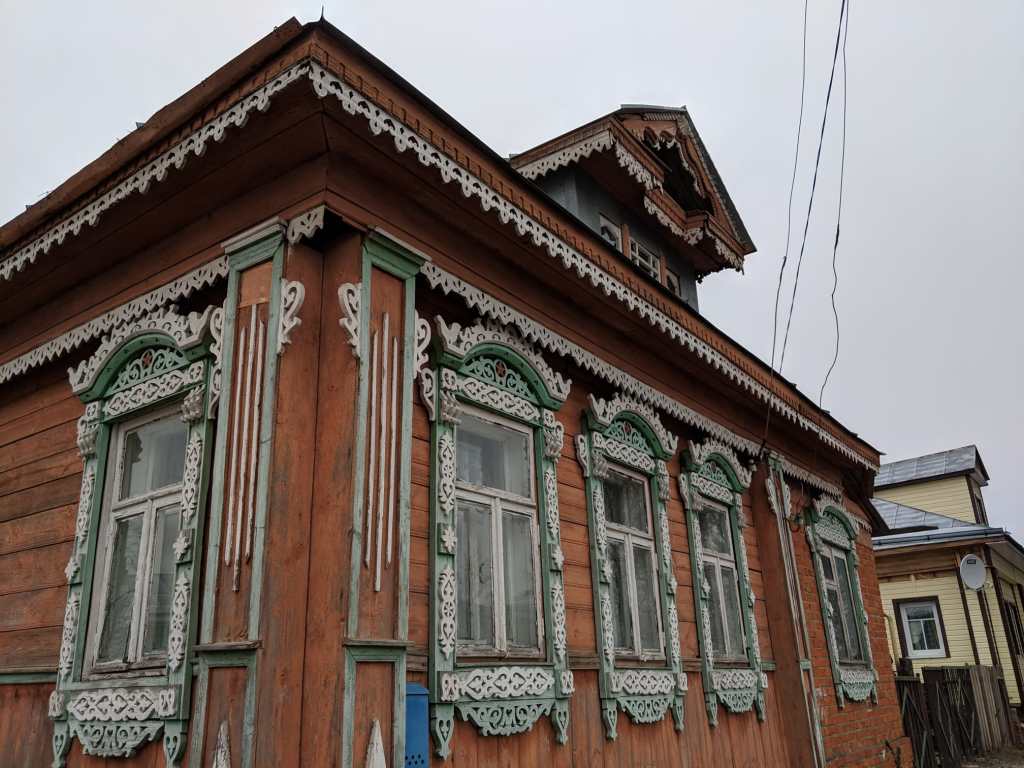
Suzdal has remained a small town, because when the planning of the Transsiberian railway was in progress in late 1880s it was missed off. To this day, there is no train connection. It has preserved its history.
The reason why this town is so significant in Russian history is because in 1922 after the Russian revolution most churches and monasteries were destroyed by the state.
Since the 16th century, monasteries have been built in Suzdal , old ones were expanded, and new ones were erected. Suzdal became one of the largest centers of Russian monasticism. Of the 11 monasteries of the Grozny era, by the beginning of the 19th century, five monastery complexes had survived.
These churches and monasteries managed to survived as Lenin thought they were of historical value and being Russian first capital.
We visited the following churches:
1.0 Church of Boris and Gleb, Kideksha, Vladimir Oblast, Russia

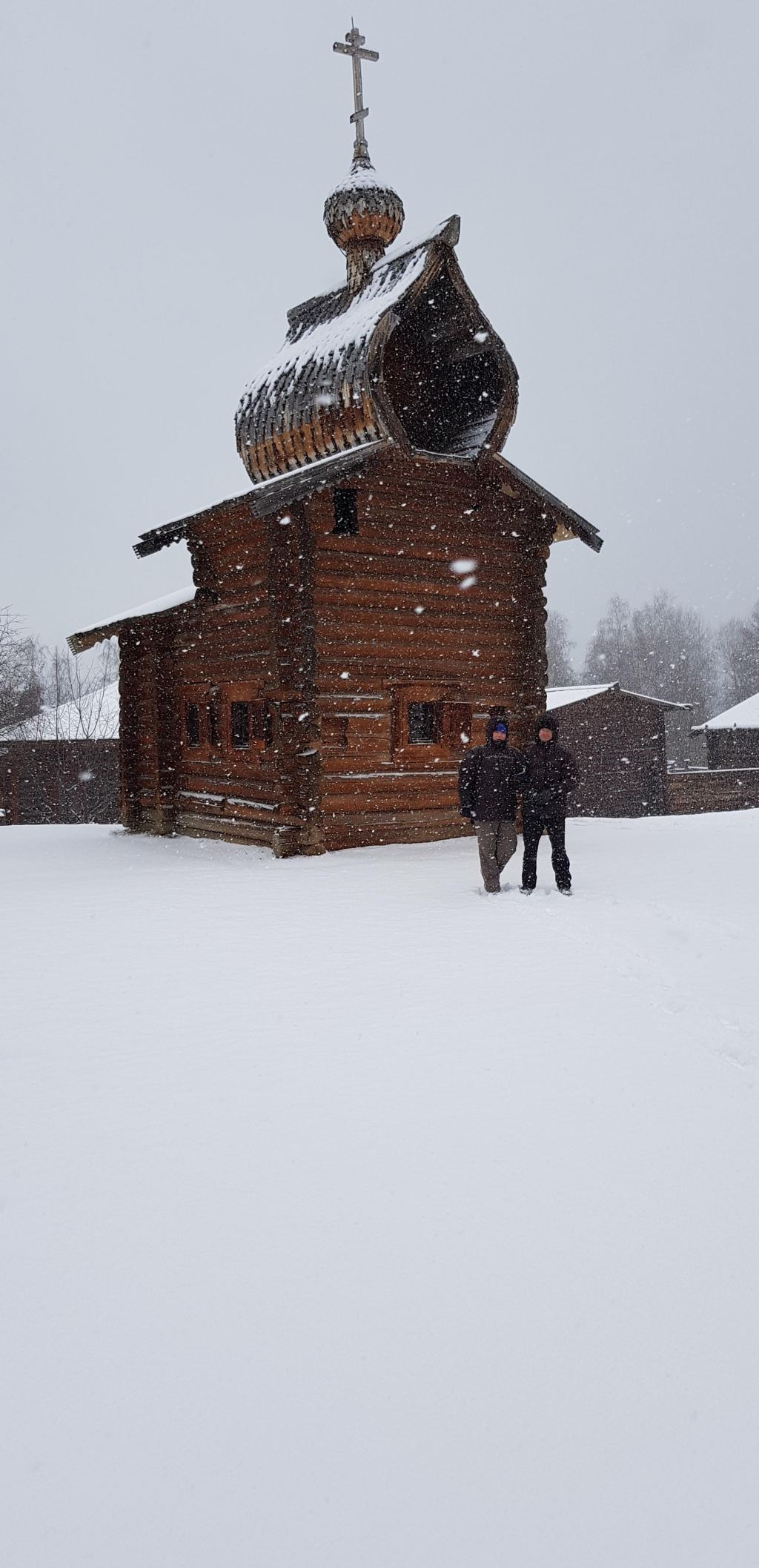
The Church of Boris and Gleb is a church built in 1152, build on the orders of Prince Yuri Dolgoruky, in Kideksha, 4 km to the East of Suzdal on the banks of the Nerl River, “where the encampment of Saint Boris had been”. This church is part of UNESCO World heritage site of Sudzal under the category of White Monuments of Sudzal and Vladmir.
The church was probably part of the palace complex, but was only used by Dolgorukiy for a few years before he left to become Grand Prince of Kiev in 1155.
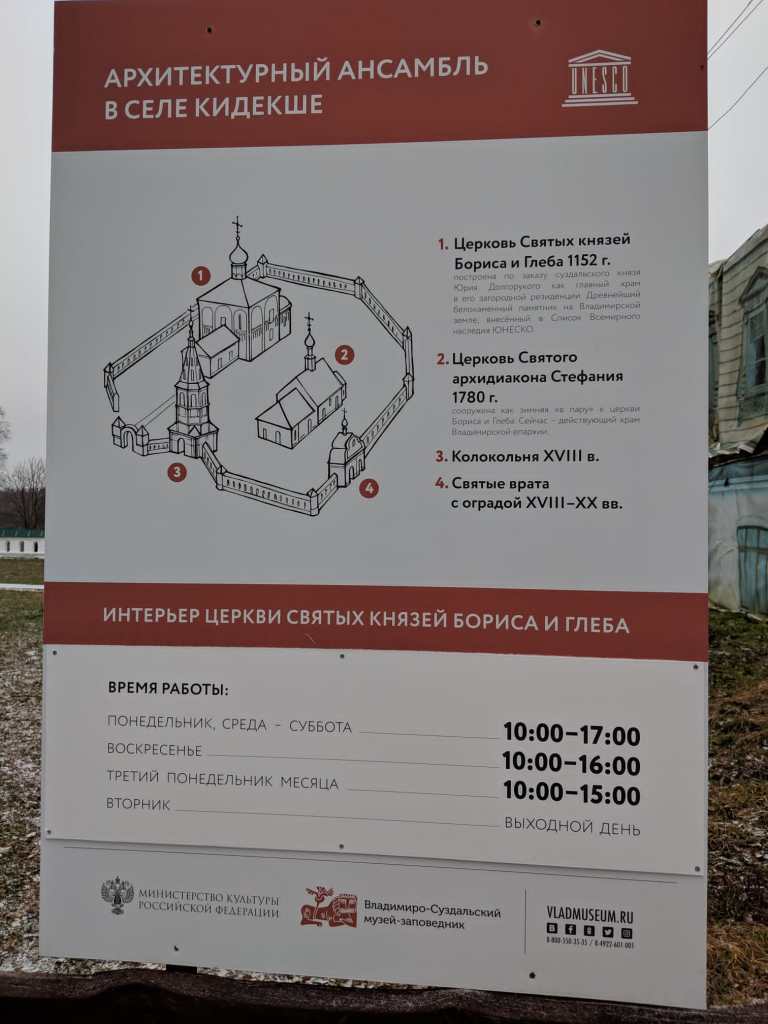
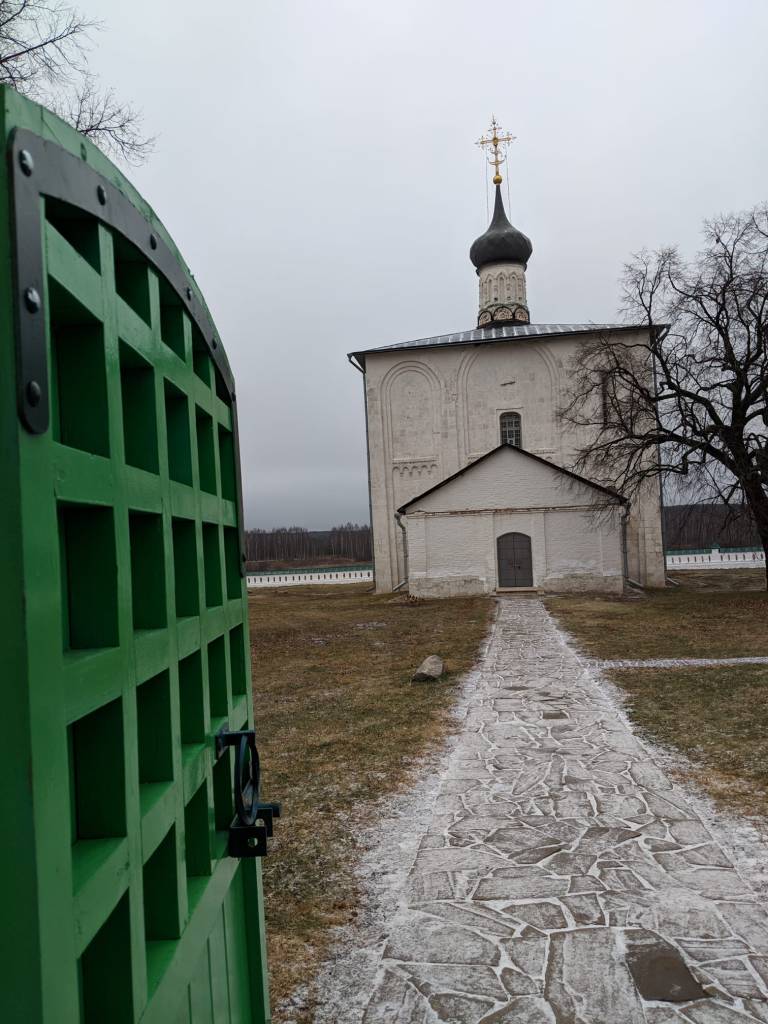
Open most days from 10.00 to 17.00 hours
2.0 Svyato- Vasil’yevskiy Muzhskoy Monastery
St. Basil’s Monastery in Suzdal is the only monastery in Russia bearing its name in memory of St. Basil the Great, Archbishop of Caesarea in Cappadocia.
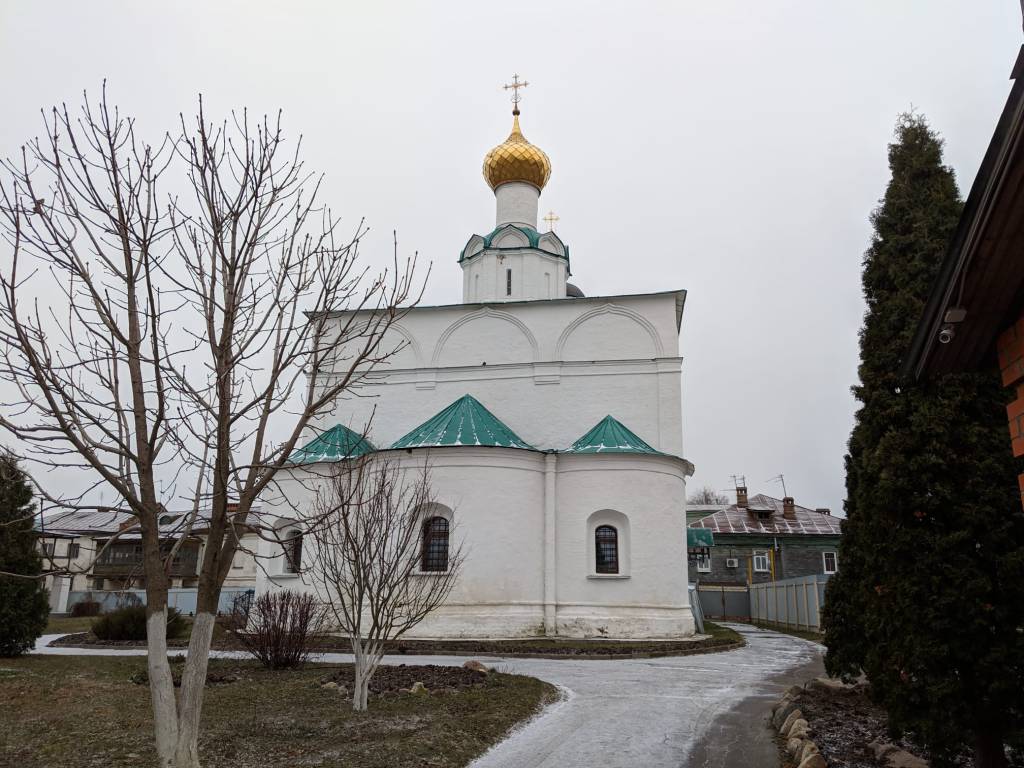
There is an legend that the monastery of St. Basil owes its foundation to the Prince Vladimir the Holy, who, during his stay in Suzdal, enlightened the local inhabitants with holy baptism and erected a church in honor of his angel and thus marked the beginning of the monastic monastery.
Some of the buildings are in good condition, while others are in urgent need of restoration.
These churches and monasteries managed to survive as Lenin thought they were of historical value and being Russian first capital.
3.0 Saviour Monastery of Saint Euthymius
The Yevmirov Savior Monastery was built in 1352 by Nizhny Novgoth Grand Duke Boris Konstansinovich and monk Yevmirov as a male monastery. It was a prison from 1766 to 1905, but it was abolished after the October Revolution. It was later used as a museum and has been returned to the church in recent years.
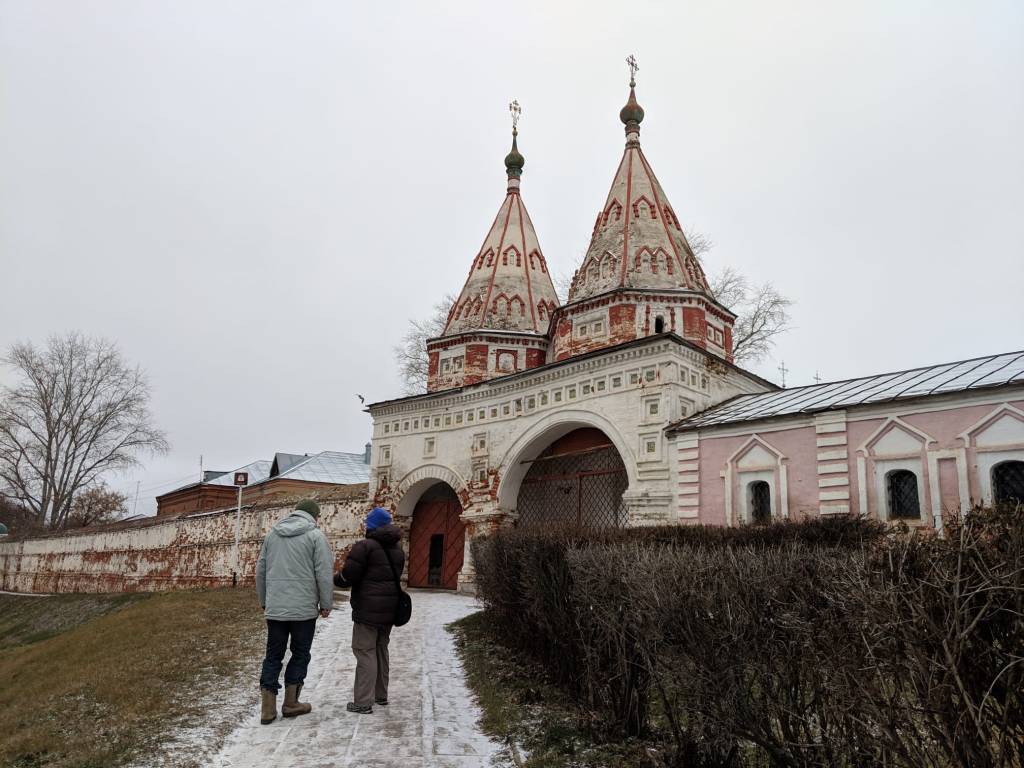
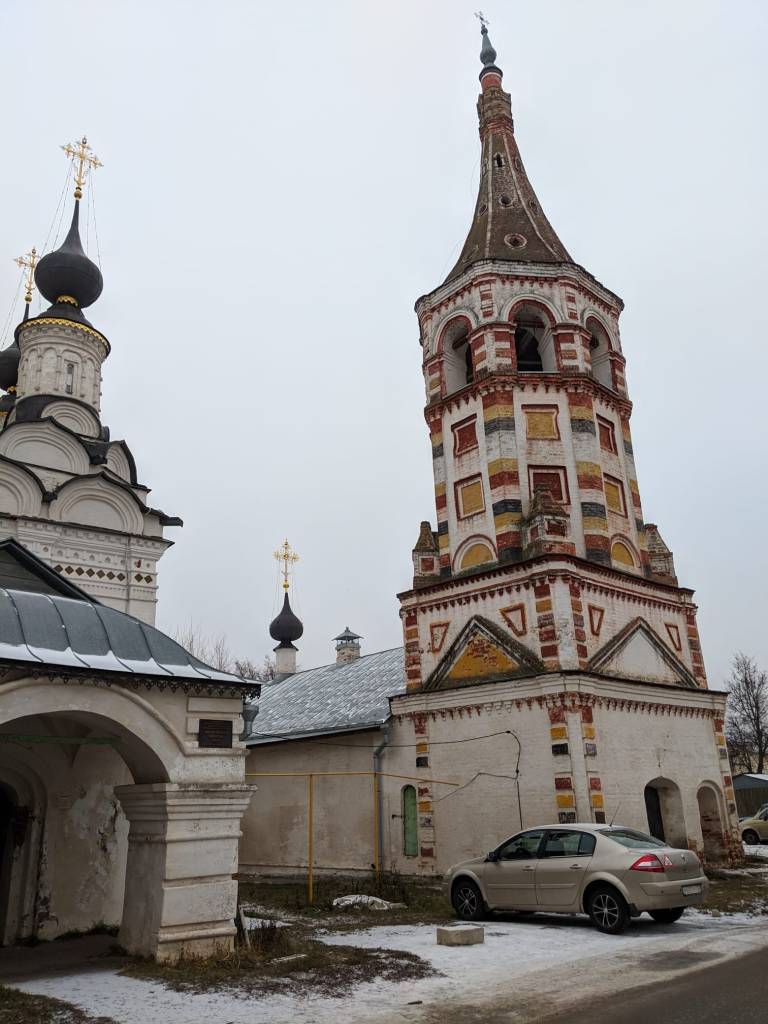
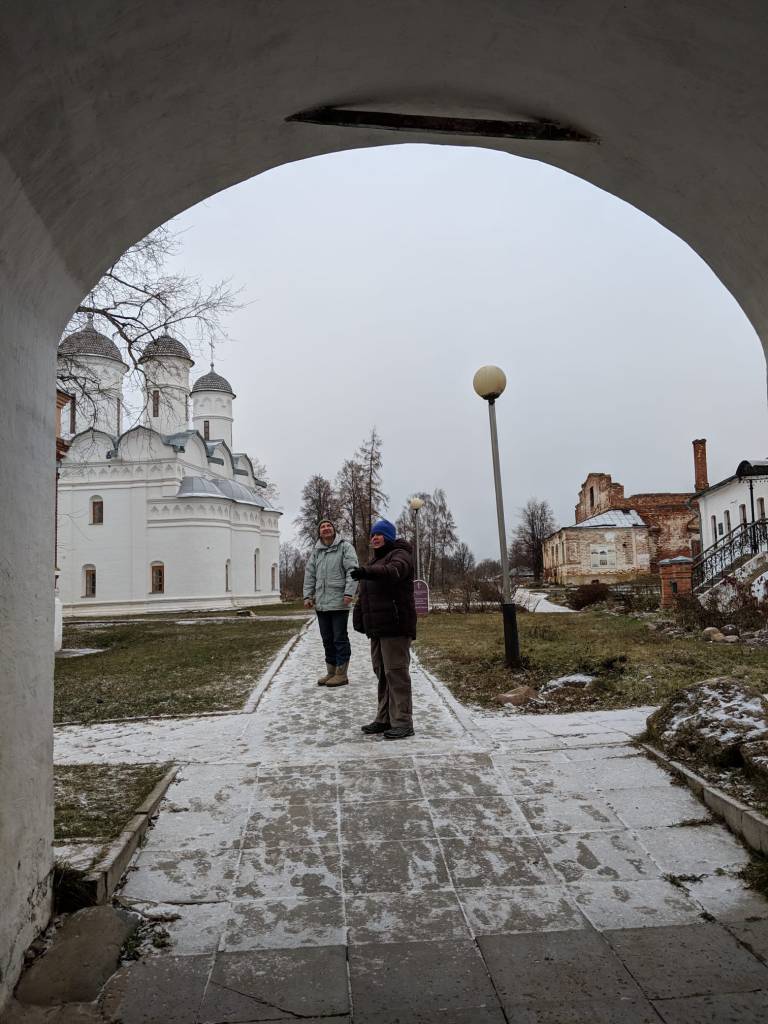
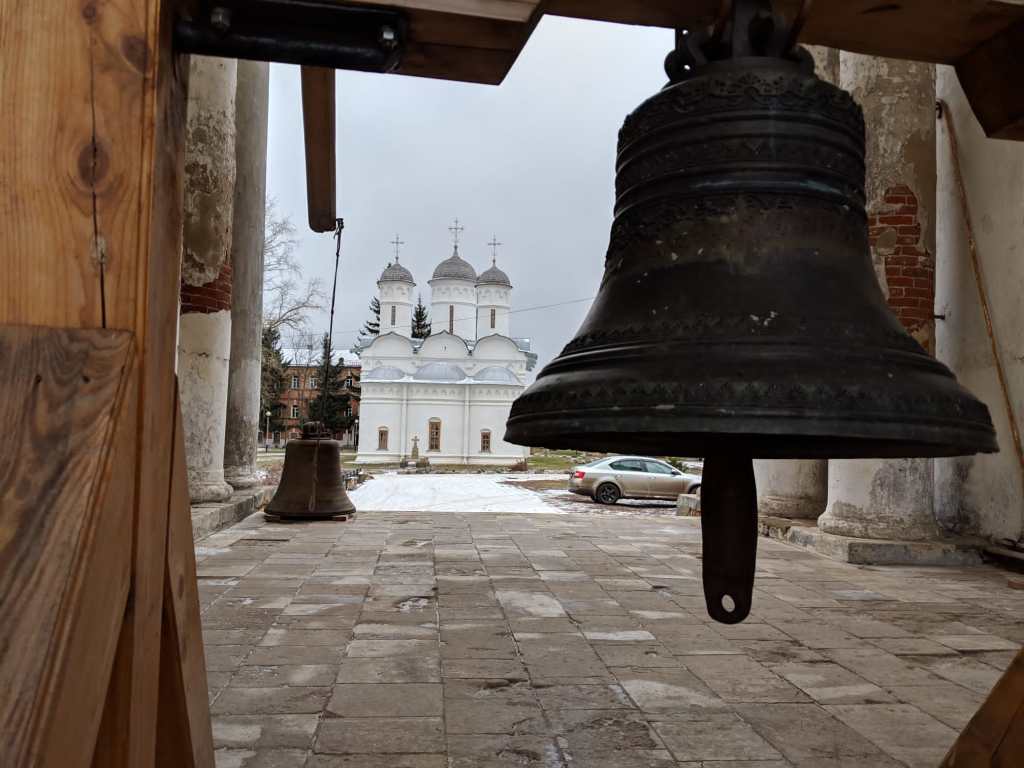
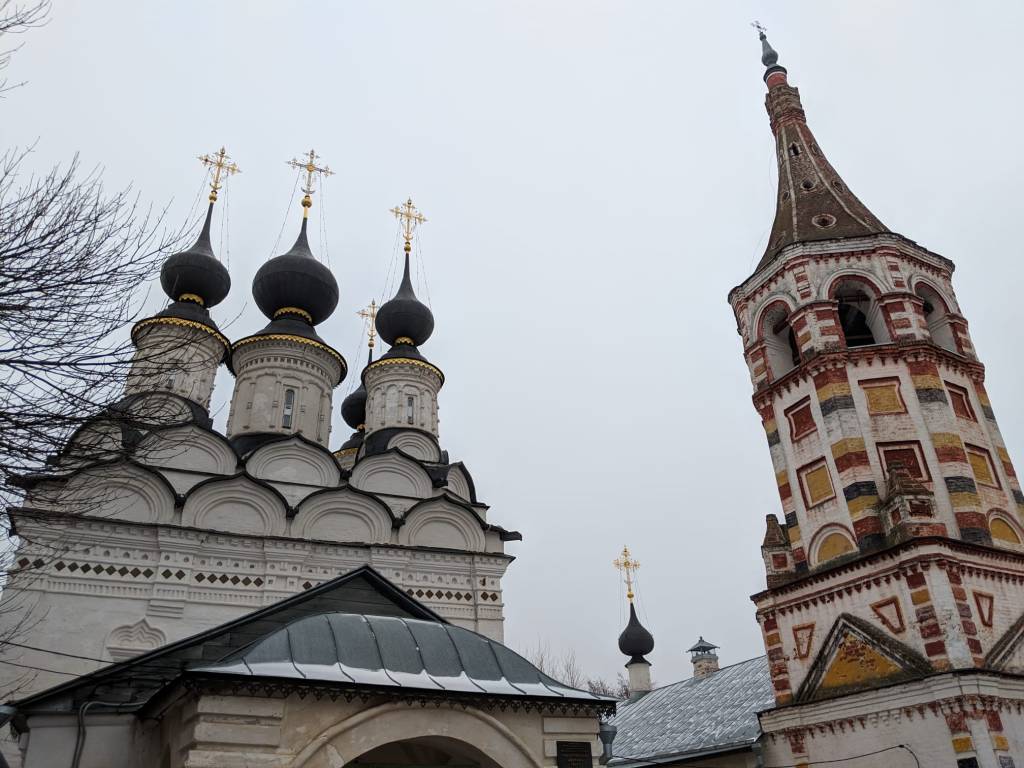

The monastery was founded in 1352 as a fortress to protect the town from enemies. Initially it was wooden but it was burnt in the 17th century during the Polish invasion. Later stone walls 1160 meters long with 12 towers were constructed.
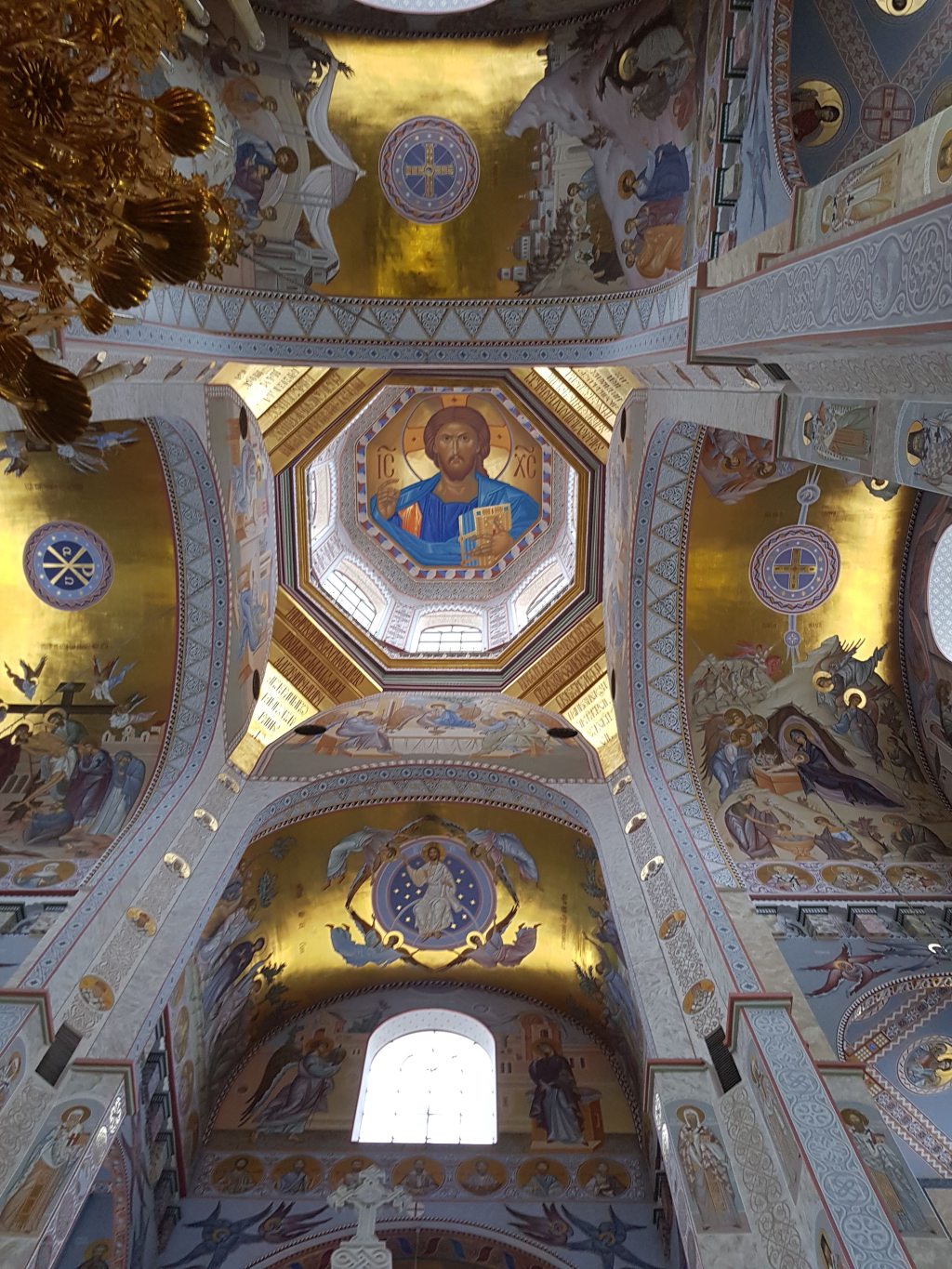
The Cathedral of the Transfiguration of the Saviour is the heart building of the Monastery. Its interior contains frescoes dating back to 1689. The tomb of Dmitry Pozharsky, one the leaders of the Russian militia army and hero of the liberation war of the 17th century, lies by the cathedral wall. Pozharsky family was one of the biggest sponsors of the Monastery.
In the second half of the 18th century at the command of Catherine II the first prison was established in the monastery. Originally it was created to house religious dissidents, but in the Soviet times it was also used for all kinds of prisoners till 1939. The prison now houses a museum devoted to the military history of the monastery.
Open daily from 10.00 to 18.00 hrs
4.0 Pokrovsky Monastery
A Russian Orthodox Monastery founded in 1364 under Prince Dmitry Konstantinovich , but the current appearance of the ensemble took shape only in the 16th century, when the monastery turned into a place of confinement for representatives of aristocratic families who had been tonsured as nuns. In the 16th-17th centuries the monastery was one of the largest in Russia.
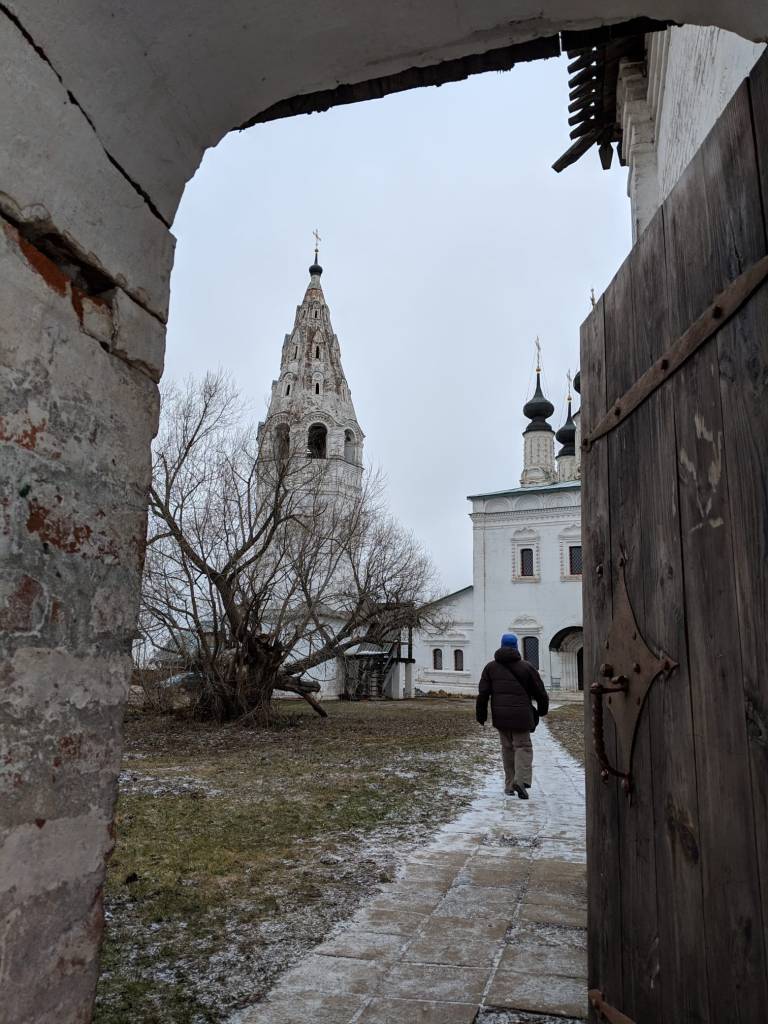

Looking at these photos and videos it made me realize this was only time we hear church bells in Russia.
We had hired a private guide for the day to take us to Suzdal for the day. On reflection as nice as the town was, we could not spend a day on this town. Some of the churches and monasteries are quiet ran down.
GUIDE: he can be contacted on the following email oks86@bk.ru
COST: RUB 6,000 = NZD150
The price includes: guiding service, transfer from Vladimir to Suzdal and return and admission Tickets
The price doesn’t include: food and drinks.
Places to eat:
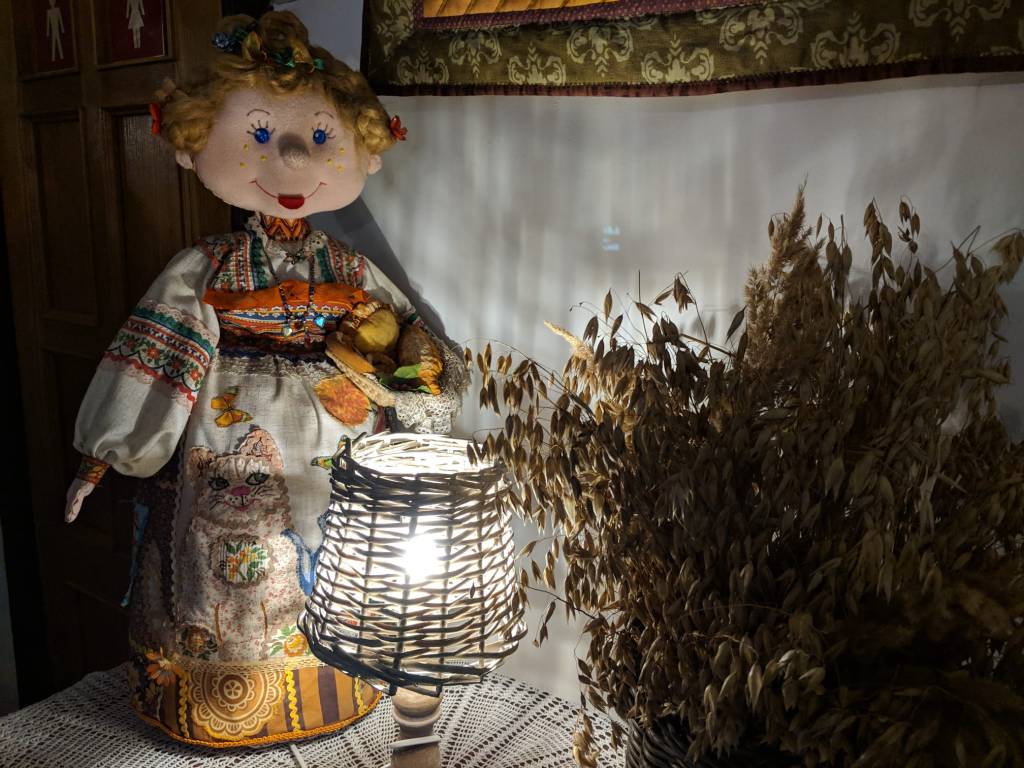
Kharchevnya, Lenina St., 73, Suzdal 601293 Russia.
The Food and coffee was very good and a great atmosphere. The menu is in English and the staff speak English as well, which was awesome after many weeks of pointing to items on menu and hoping for the best. Food is Russian and of excellent value


 Traveller's Nest Overland
Leave a comment