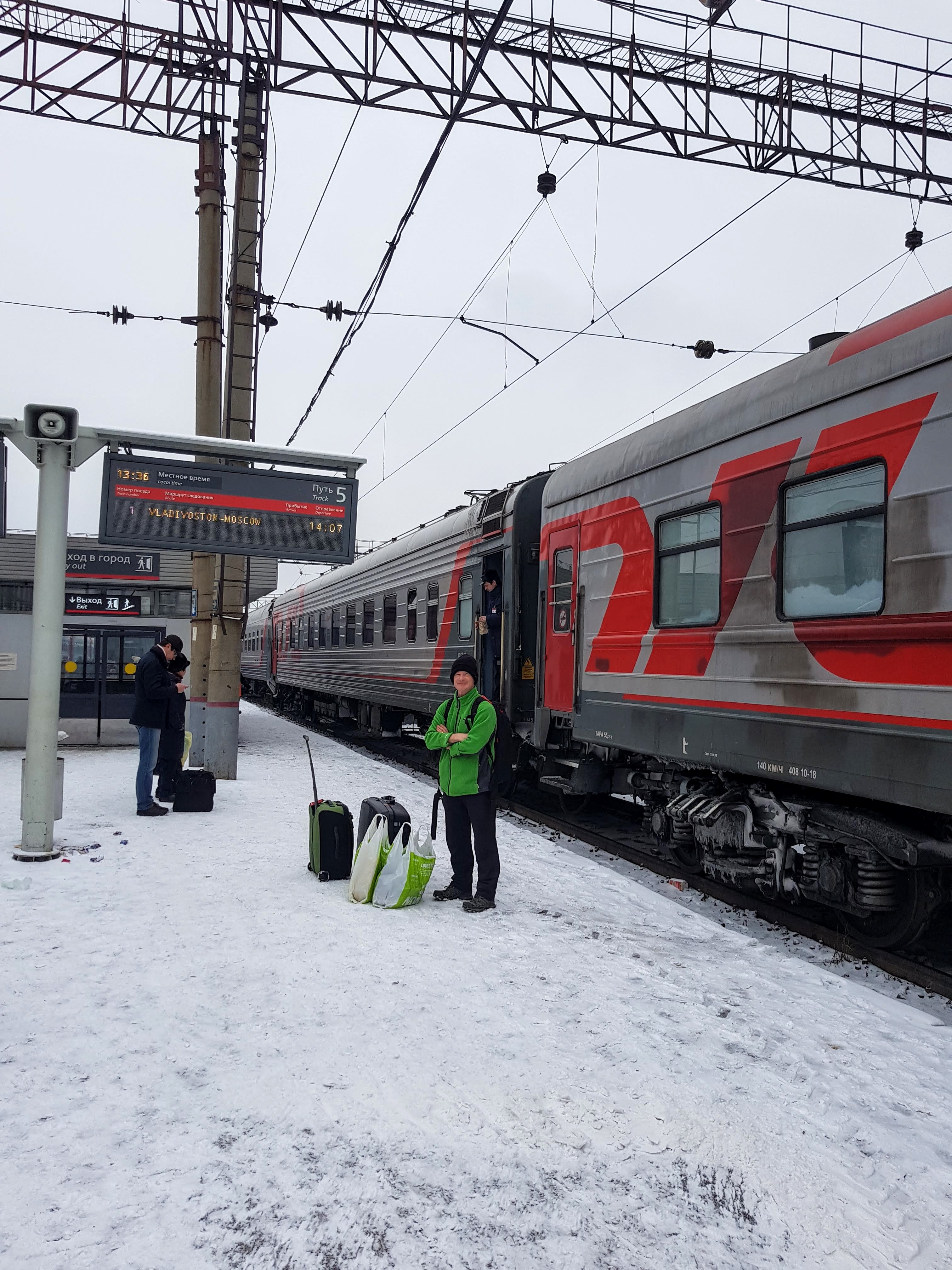
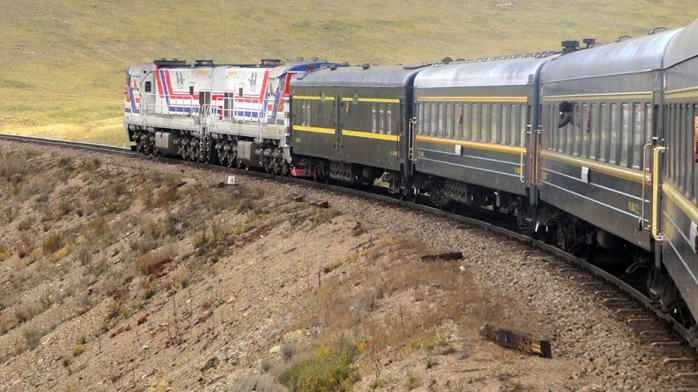
By the time, we left Irkutsk, Siberia, Russia at 4.14 pm on that Thursday afternoon on Train 001MA and boarded carriage 10 for another 48 hours in the train, Siberia had us both so intrigued, but why?

There is just something about this beautiful landscape. Ulan Ude and Irkutsk were both towns so different. Ulan Ude was a closed town until the end of the USSR in 1991, whereas Irkutsk is a city full of history due to its past of participants in the Decembrist revolt against Tsar Nicholas I being exiled to Siberia in droves, turning Irkutsk into their cultural centre in 1825-1826. Yet, the only similarity these towns have in common is they are both on the ancient tea caravan route.

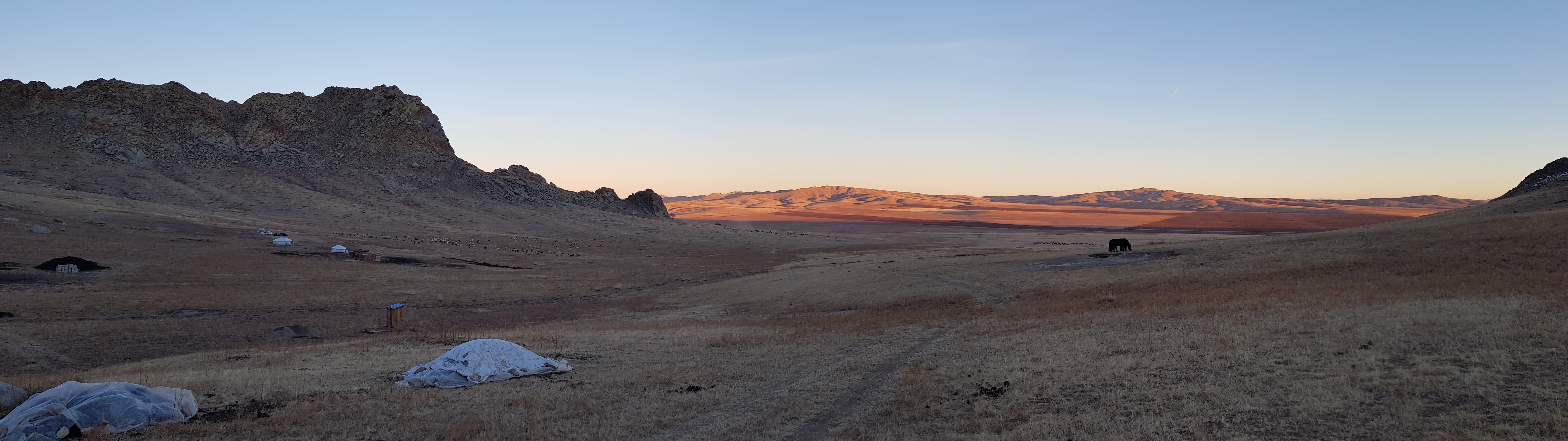
I think the thing we love about Siberia, Russia is the space after overlanding in Australia and its beauty.

If Siberia were a country in itself, it would be the largest country by area at 13.1 million square kilometres. Today it accounts for 77% of Russia’s total land area. It is this sparseness, that led to the development of Siberia.

Connecting Russia to the Far East- why the Trans Siberian Railroad built
Though Siberia had been under Russian control since the 17th century, it remained a distant and exotic territory for European Russians, who had no practical way of travelling to and across the massive region that extends from the Ural Mountains in the west to the Pacific Ocean in the east.
Before the development of the railway, it would take weeks to travel from St Petersburg to Siberia. Prior to the Trans Siberian rivers were the main means of transport. During the cold half of the year, cargo and passengers travelled by horse-drawn sledges over the winter roads, many of which were the same rivers, but ice-covered.

Nikolai Muravyov, appointed governor-general of Eastern Siberia in 1847, was a strong advocate of developing the Far East and creating a railway that would cut across Siberia. Siberia by then was still sparsely settled and undeveloped, seen mainly as a place of exile for prisoners and critics of the tsar. As discussed in my previous blog on Irkutsk.
In 1847, there was only one passenger railway in the whole of Russia: the 24-kilometre railway connecting St. Petersburg to the tsar’s summer residence in Tsarkoe Selo, to be followed in 1851 by a 650-kilometre railway connecting St. Petersburg to Moscow.

Efforts to modernise Russia, such as Muravyov’s proposal, were rarely embraced by Russia’s landowning aristocracy. These nobles, to whom the Russian tsar was beholden, derived their wealth and privilege from the labourers of serfs who worked on their land and saw no personal gain in transitioning from agriculture to new forms of industry.
Meanwhile, Russia’s chief imperial rivals–Britain, France, and Germany–were moving quickly towards mechanisation, shifting from water and wind to steam power, improving agricultural productivity and transportation. Imperial Russia was getting left behind.

Longest Railway in the world
It is now is the longest passenger railroad in the world at 9,259 kilometres without changing trains, if you so desire. If you change trains in Moscow, you can get the train to Paris thereby completing another 3,215 kilometres. From Paris, as we did you can cross the Eurotunnel to London adding 342-kilometres. In total, 12,816-kilometres by train.

Was it constructed all at once?
No, the first stone was laid in the East by the future Tsar Nicolas II in March 1891 in Vladivostok, Eastern Russia
This railway route is built from St Petersburg, then Leningrad in the western part of Russia to Vladivostok in the east of Asian Russia.

The construction of the railway was done in several sections:
1.0 Western Siberia (1892-96): The railway was built near Eastern Russia, from Chelyabinsk (no longer part of the Trans-Siberian Railway) through Omsk and to the site of present-day Novosibirsk. This line was the easiest to build, as the main challenge was going across rivers, which was easily solved by building bridges.
2.0 Eastern Siberia (1891-97): From Vladivostok to Khabarovsk through the Ussuri River valley. This proved more difficult as the railway would go through forest terrain.
3.0 Central Siberia (1893-98): From Ob to Irkutsk, through mountainous terrain.
4.0 Trans-Baikal (1895-1900): From the eastern shore of Lake Baikal to Sretensk. The line had to scale the Yablonovy Mountains, 5,650 metres above sea level.
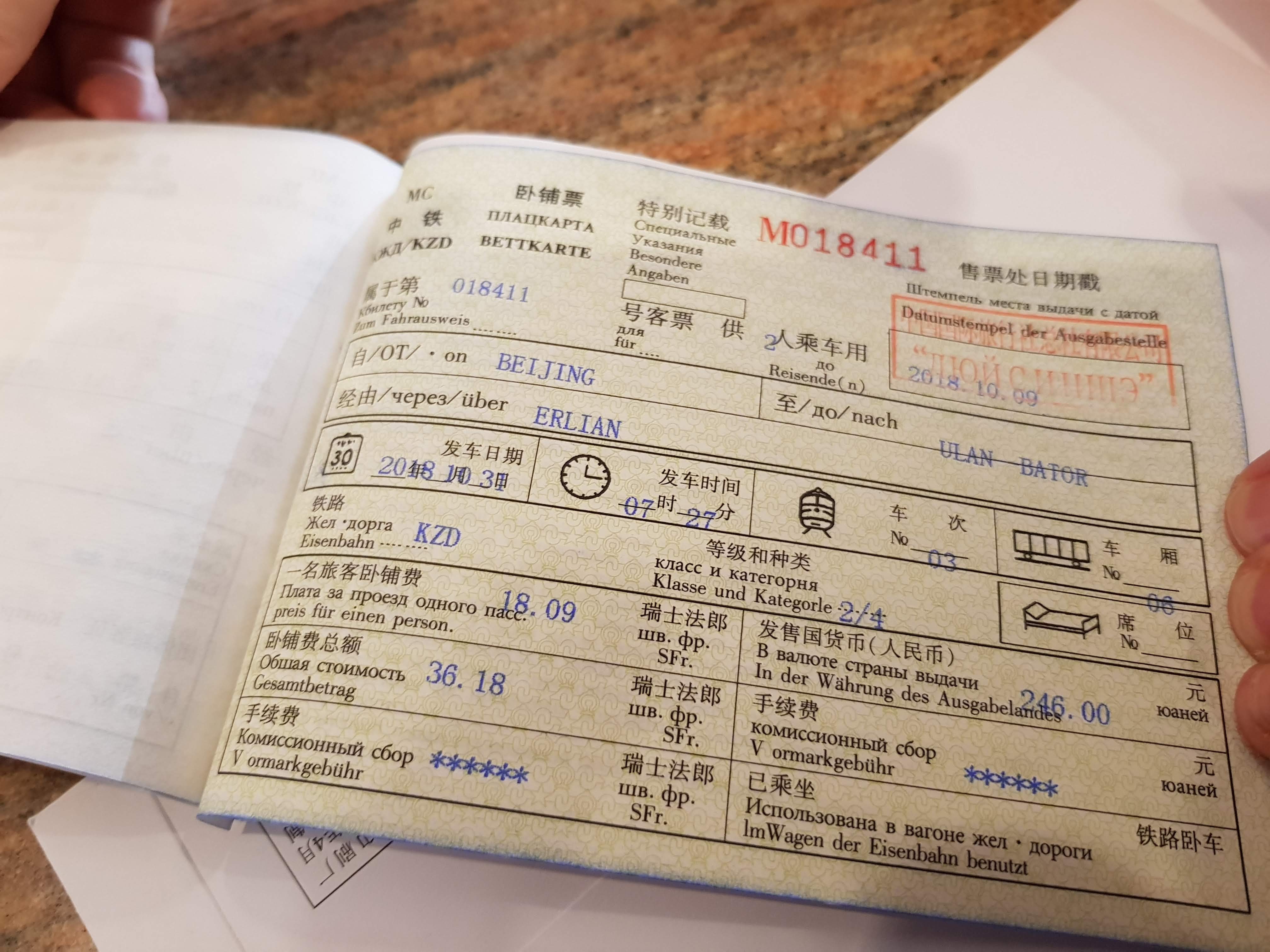
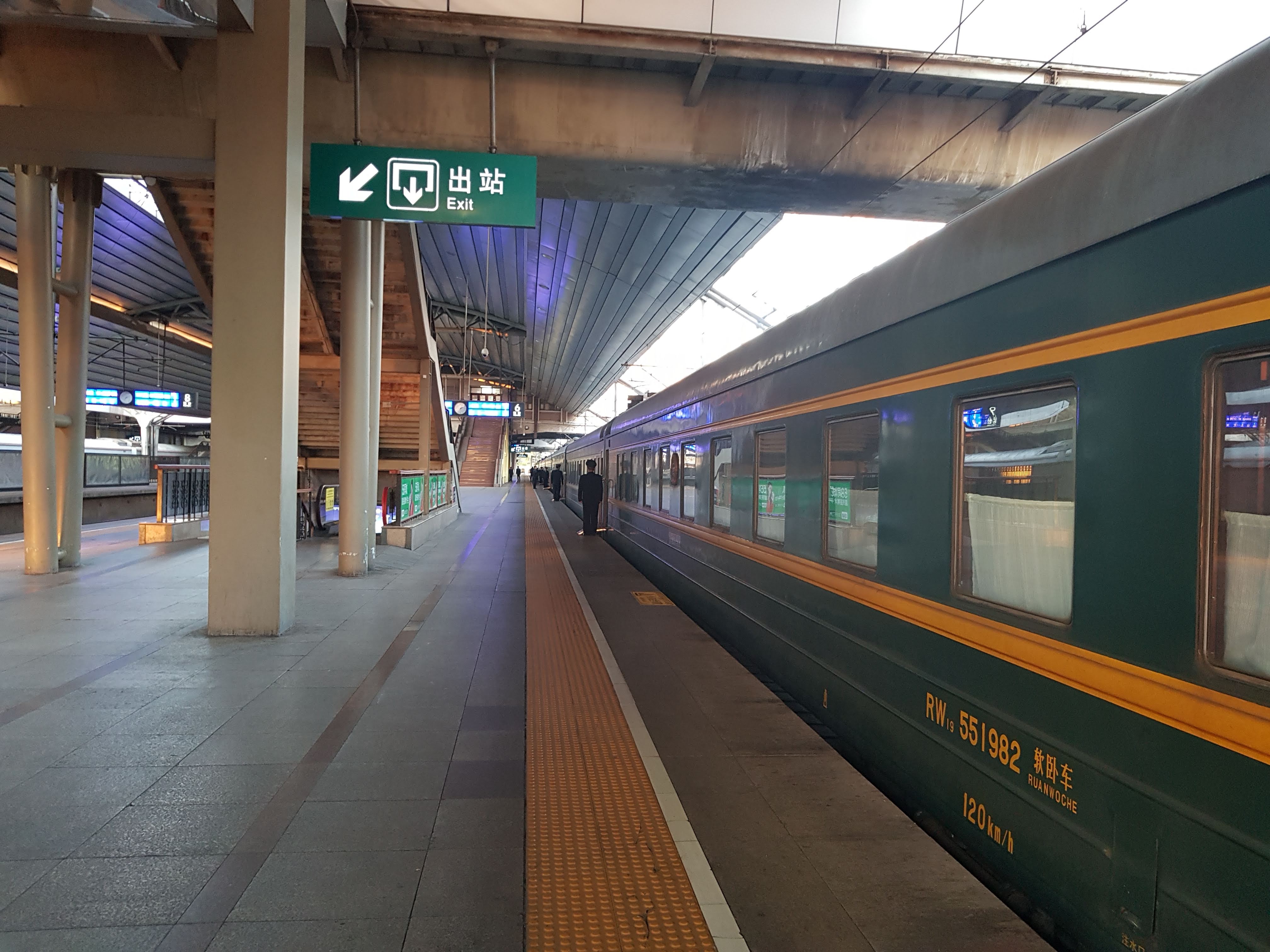
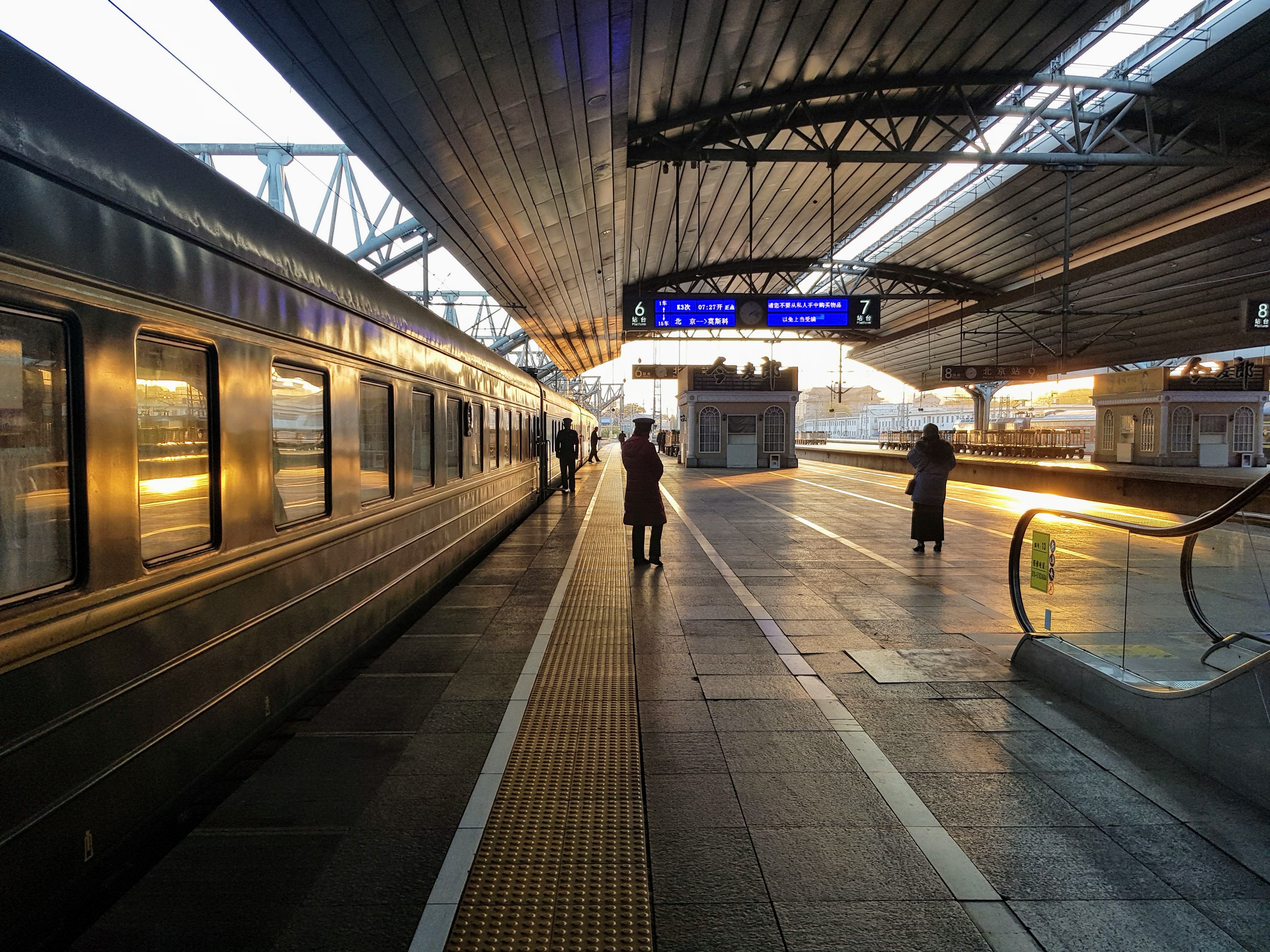
We joined the Trans Siberian railway in the central Siberia section. We started it in Hong Kong. We did the Trans Mongolian railway from Beijing to Ulaanbaatar, Mongolia then onwards to Ulan Ude, Russia.

When was it constructed?
The Trans Siberian was constructed from 1891 to 1916. The track gauge of this railway is 1520 mm. It passes through over eighty cities and towns and goes over 16 major rivers in Russia. This railroad was a double trek in 1945. It is an important railroad of dual-electrified cross-continental railroad in Asia.
Who was it built?
Between 1891 and 1914, some five million Russians, Ukrainians, and Belorussians immigrated to Siberia to be labourers for the project. There were labour shortages led to Russia employing Koreans and migrant Chinese labourers, who were paid less than the Russian workers. Later, convicts and exiles were introduced to the line and ordered to dig.
Length of time required to complete the Trans Siberian
It is known that it takes at least 1 week to complete the entire journey from the beginning to the end of the train. The Trans Siberian railway passes through eight different time zones, however, in Russia, all timetables, station clocks and train clocks remain in Moscow time, while in Mongolia and China, the schedules are in local time. The schedules are somewhat confusing. Don’t miss a train, we were lucky and did not miss a single one. Allow time in the station to check your passports and tickets. In most stations, there are only stairs, another reason to travel light. We travel only with 14kg each and a laptop backpack.

Number of tunnels
As diverse as the landscape is also the number of engineering feats. There are 15 tunnels on the Trans Siberian Railway. The longest tunnel is 2km long.
Trans Siberian railway covers the history of the 20th century
The Trans Siberian Railway became the precursor of a war with Japan and revolutions within Russia’s territory, serving as both a symbol of Soviet power and therefore an object of scorn for rebels, a deathtrap for the prisoners of Stalin’s Gulag, and a lifeline during World War II.
In 1896, or five years after the construction of the Trans-Siberian Railway began, the Russians approached the Qing emperor and proposed to build a shortcut across Manchuria to cut costs (the historical region of northeastern China) instead of following the bend in the Amur River to Vladivostok. This led to the war with China and Japan. In the end, this region was returned to China and the railway was built along the Amur River.
The estimated costs in 1916 U.S. dollars ranged from $770 million to $1 billion, which represented one-fifth of Russia’s national debt at the time. During its construction, the Trans Siberian was a serious drain on the Russian economy and, therefore further shortcuts were taken during the construction.
So such an effect, that actual travel on the Trans-Siberian Railway, fell short of its promise of luxury. The trains routinely ran out of food, and after experiencing numerous accidents, were forced to travel at a snail’s pace of 25 km/hr to avoid derailment.

Though the railway disappointed luxury travellers, it greatly helped Russian peasants who wanted to move to Siberia. Half a million people resettled in Siberia from 1860 to 1890, but from 1891 to 1914, this number exploded to five million people, who travelled in cramped but cheap 3rd-class carriages on the Trans-Siberian Railway to become Siberia’s new immigrants.
After 25 years, the Trans-Siberian Railway was finally complete, and within one year the Tzar who laid the foundation stone of the Trans-Siberian Railroad would be dead… that is a story for another day.














Leave a Reply to travellersnestoverlandCancel reply