An overlanding trip is very different from a camping trip. They need very different methodologies and preparation.
What is Overlanding? Overlanding is self-reliant, vehicle-based adventure travel.
The focus is on reaching remote destinations. The journey itself is the main goal, not just the destination. It involves using a 4×4 vehicle to explore off-road tracks and dirt tracks, relying on your own supplies for extended periods, and camping as the primary lodging, blending exploration with camping and off-road driving.
Equipment needed will be:
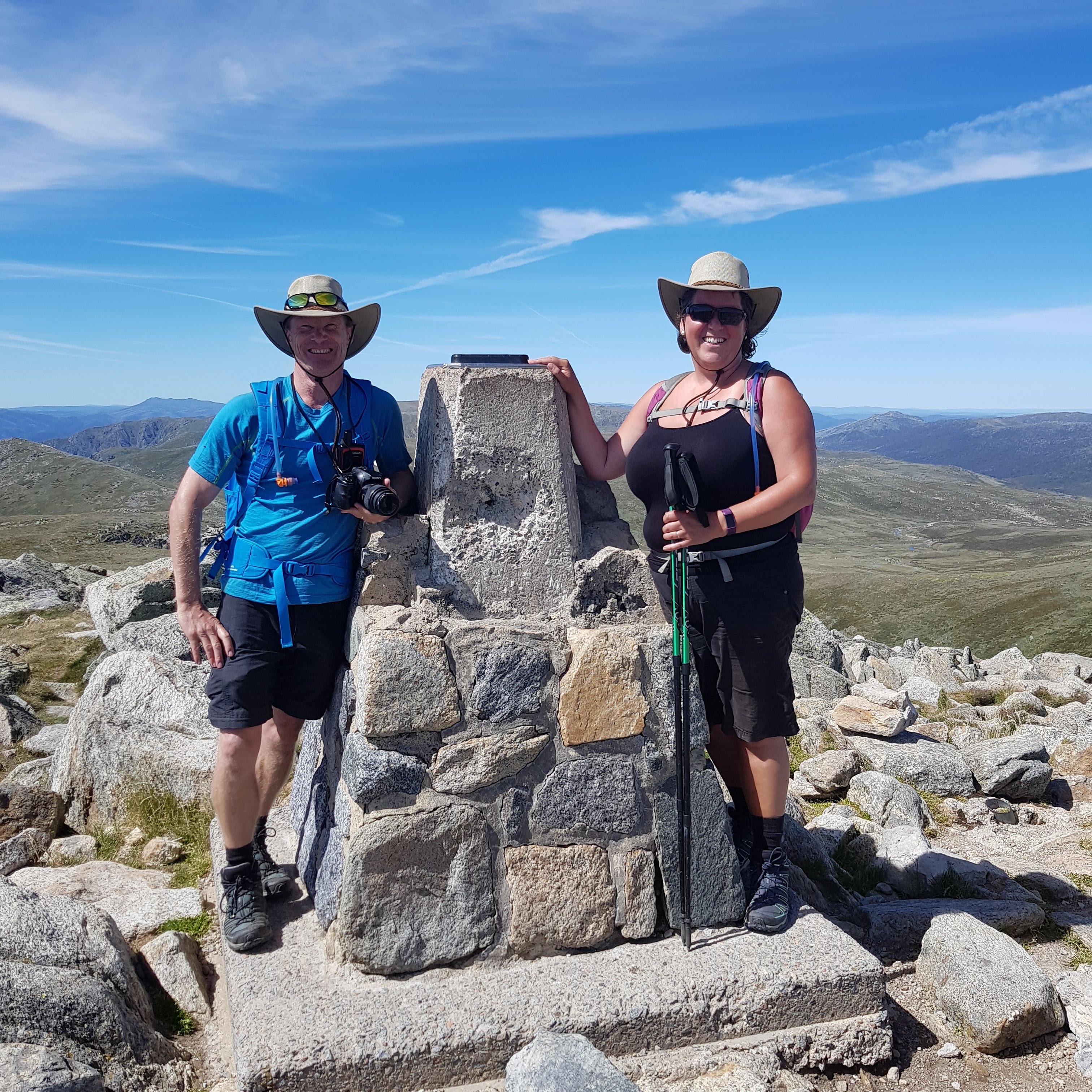
Hiking/Trekking Poles: Highly recommended for balance on rocky terrain and to reduce muscle fatigue.
Lighting: Carry a high-quality headlamp for hands-free tasks and a powerful backup torch.
Water Storage: A minimum of 7–10 litres per person per day is required for remote areas. Use a combination of individual water bottles and large 10–20L jerry cans.
Clothing Essentials
- Layering: Pack lightweight, breathable clothing for the day and thermal base layers for freezing outback nights.
- Protection: Broad-brimmed hats, UV-rated sunglasses, and high-SPF sunscreen are non-negotiable.
- Footwear: Sturdy, worn-in hiking boots and a pair of lightweight camp shoes or sandals for the evening.
Food & Cooking
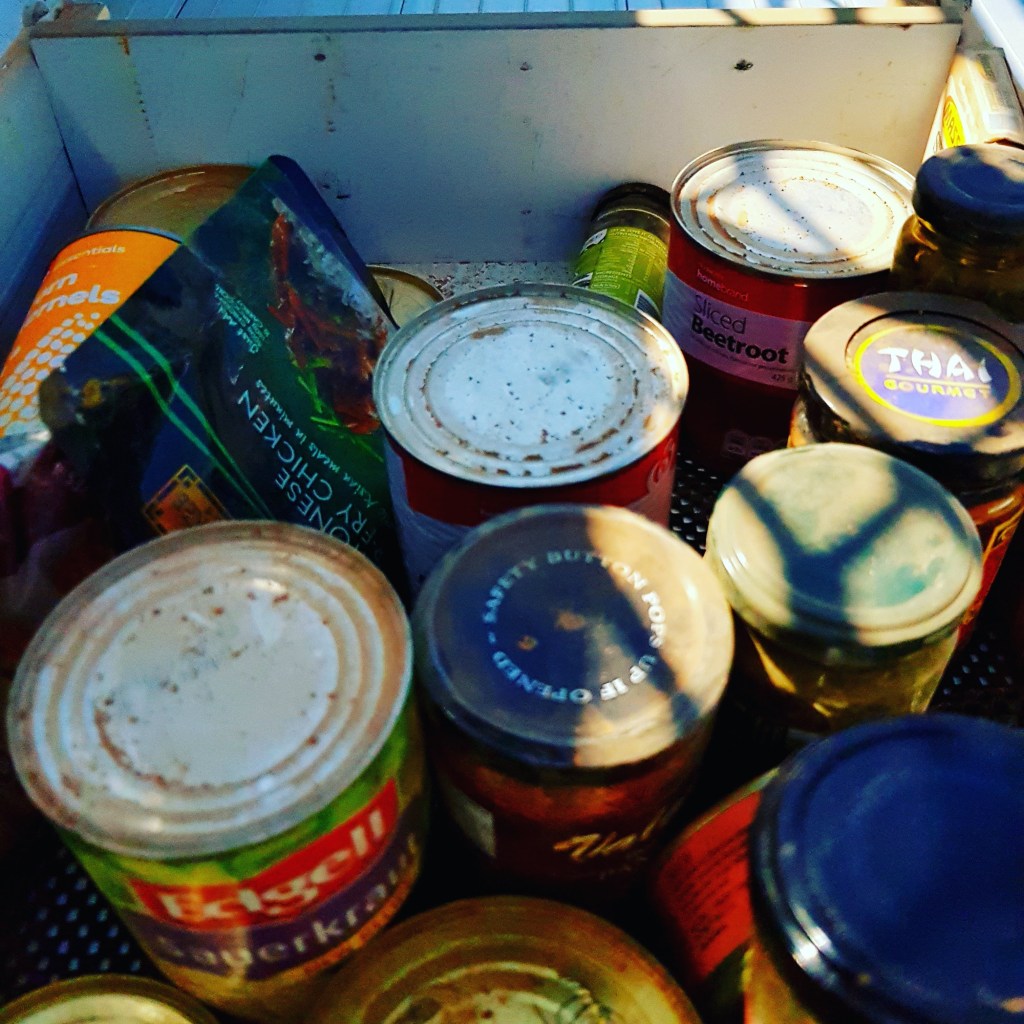
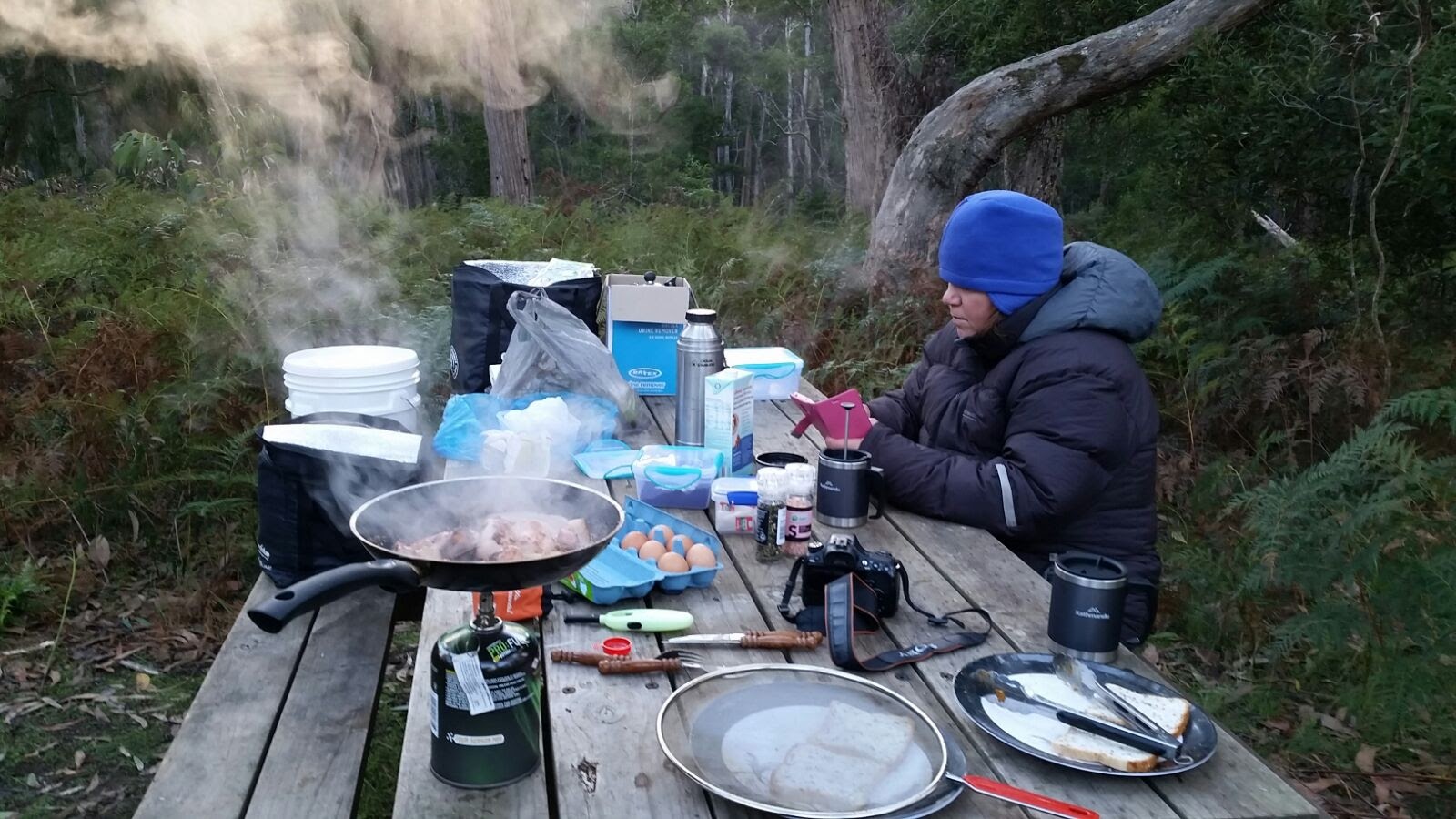
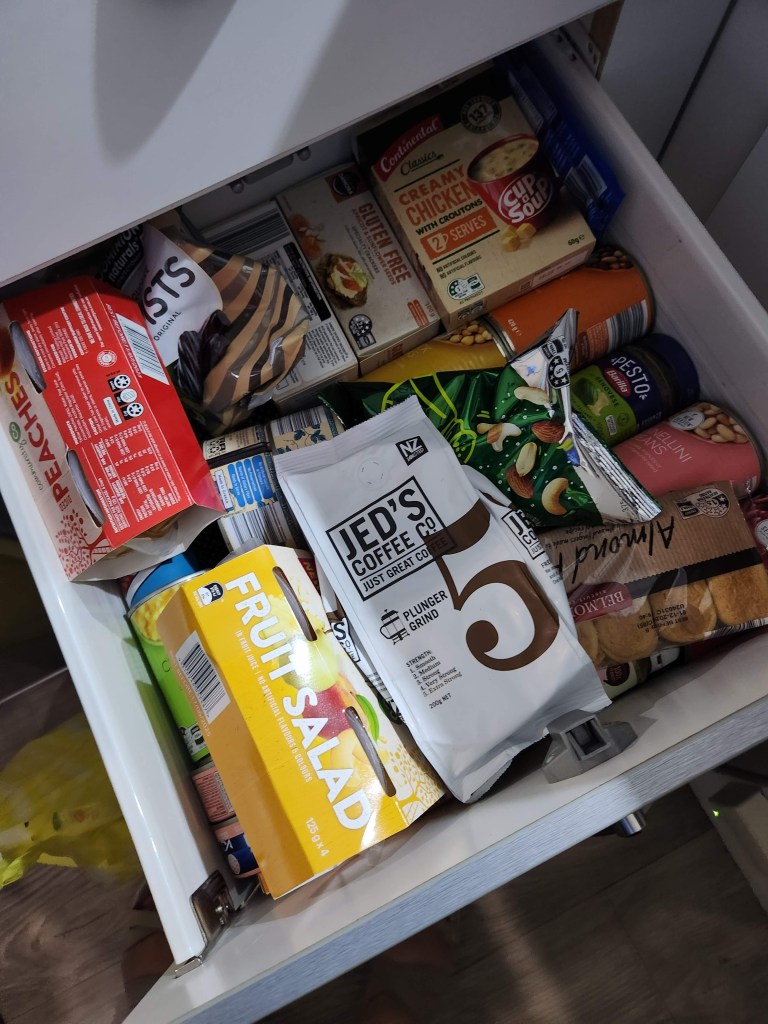
- Supplies: Focus on non-perishables like canned goods, pasta, rice, and energy-dense snacks. Always carry a two-day emergency food reserve.
- Kitchen: A reliable portable stove with extra fuel, a basic set of pots/pans, and a durable 18/8 stainless steel spork or multi-tool.
Vehicle & Emergency Tools:
Personal Locator Beacons (PLBs) in Australia are compact and subscription-free. They are 406 MHz satellite devices. These devices are designed to alert emergency services to a life-threatening situation on land or water.
Maxx Tracs are highly recommended for serious off-roading, deep sand, mud, towing, or getting unstuck quickly across all four wheels.
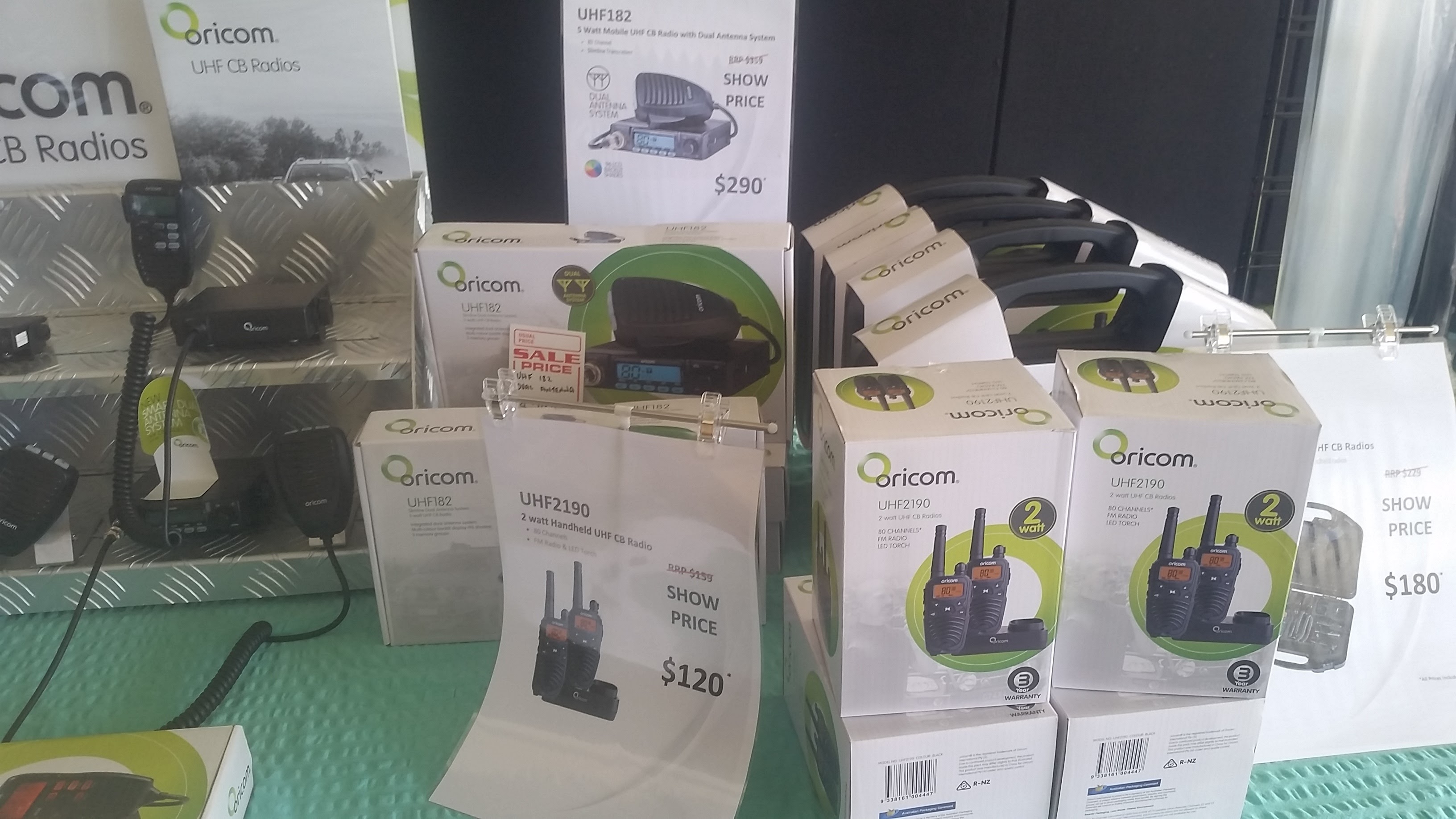
2 walkie talkies to keep in touch with each other in remote locations. Our can go up to 5 km in range.

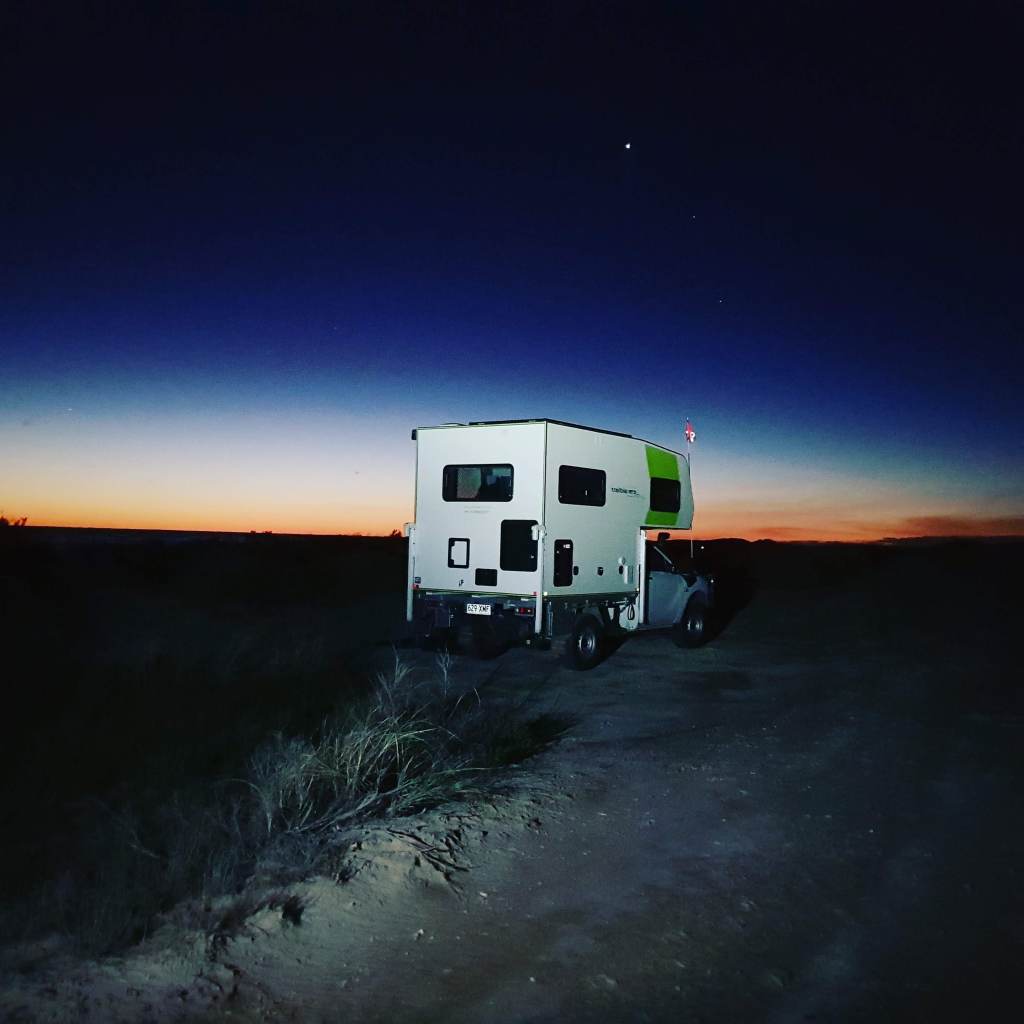
I was wondering whether I have hiking poles, water bottles, headlights etc in our overland truck in Australia. I all of a sudden remembered my equipment, clothing and food packing lists.
Within 5 minutes, I determined I had 4 hiking poles in the truck and day hiking packs with water bladders of 2L. My Overlanding equipment lists even tell me where I had it stored in our overland truck.
It has been 8 months since I last saw our overland truck, and this time the trip requires a bit more attention and preparation as I am heading out into the outback by myself with friends.
I have several lists:
One for Clothing and equipment (including 10L First Aid Kit):
One for food :
Please find them attached for further planning requirements. What else would you add to these lists?
To be enjoyed on the Open Road
Cheers
Rolanda





 Traveller's Nest Overland
Leave a comment